Embrace the Hustle Graphic Hoodie for Everyday Wear

Embrace The Hustle Graphic Unisex Hoodie: Wear Your Ambition

Embrace The Hustle Graphic Unisex Hoodie: Wear Your Ambition. This stylish and comfortable hoodie is perfect for those who chase their dreams relentlessly. Made from soft, high-quality fabric, it features a bold graphic that inspires motivation and determination. Whether you’re at the gym or out with friends, this versatile piece showcases your drive and passion. Step out and show the world you hustle hard! Success starts with the right mindset. Whether you’re chasing your career goals, building a business, developing your creative skills, or simply working toward becoming a better version of yourself, what you wear can reflect the attitude you bring to every day. The Embrace The Hustle Graphic Unisex Hoodie brings motivation and streetwear style together in one versatile piece.

Designed for people who appreciate expressive fashion and a determined mindset, this graphic hoodie is a great addition to a casual wardrobe. It represents ambition, persistence, and the willingness to keep moving forward, even when the journey gets challenging.

Available from Flux Riot, a streetwear clothing brand focused on expressive style, this hoodie is worth exploring if you want your everyday outfits to communicate confidence and individuality.

What Makes the Embrace The Hustle Graphic Unisex Hoodie Special?

A great graphic hoodie does more than complete an outfit. It gives your style personality and helps express something about who you are.

The Embrace The Hustle Graphic Unisex Hoodie combines the relaxed appeal of casual clothing with a motivational message. Its graphic-inspired aesthetic makes it suitable for streetwear enthusiasts, entrepreneurs, students, artists, fitness fans, and anyone who believes in working toward their goals.

Whether you wear it on a relaxed weekend, during a casual outing, or while working on your next big idea, this hoodie can become a reliable part of your everyday rotation.

Explore the hoodie here: Embrace The Hustle Graphic Unisex Hoodie

Fashion is a form of self-expression. Graphic clothing allows people to communicate their interests, values, and attitudes without saying a word.

Motivational designs are particularly appealing because they connect personal style with a positive outlook. A phrase centered on hustle can represent dedication, resilience, creativity, and the determination to keep improving.

The Embrace The Hustle Graphic Unisex Hoodie fits this approach to fashion. It offers an opportunity to wear a message that reflects your ambitions while maintaining the comfort and versatility associated with casual streetwear.

Graphic hoodies also work across different personal styles. You can combine them with minimalist basics, relaxed denim, joggers, or statement accessories to create an outfit that feels uniquely yours.

How to Style the Embrace The Hustle Graphic Unisex Hoodie

One of the best things about a graphic hoodie is its versatility. With a few thoughtful styling choices, you can create outfits for different occasions and moods.

1. Create a Classic Streetwear Outfit

Pair your hoodie with relaxed-fit jeans and your favorite sneakers for a timeless streetwear look. Choose neutral-colored trousers if you want the graphic to stand out, or experiment with complementary colors for a more expressive outfit.

A baseball cap, crossbody bag, or simple chain can add another layer of personality without making the look feel overdone.

2. Go for a Relaxed Everyday Look

For casual days, wear the hoodie with joggers or comfortable sweatpants. This combination works well for running errands, meeting friends, traveling, or relaxing at home.

Keep the rest of the outfit simple and focus on a comfortable fit. The result is an effortless style that feels practical without sacrificing personality.

3. Try a Layered Urban Outfit

Layer your hoodie under a denim jacket, bomber jacket, or lightweight outerwear piece when the weather calls for extra warmth.

For a balanced silhouette, pair an oversized-looking top with more structured trousers, or keep the entire outfit relaxed for a contemporary urban aesthetic. Finish with sneakers or boots, depending on the look you prefer.

4. Make It Part of Your Weekend Wardrobe

A motivational graphic hoodie can easily become a weekend favorite. Combine it with cargo pants, denim, or relaxed-fit chinos for a casual outfit that transitions between coffee runs, shopping trips, and informal social plans.

The key is to wear the piece with confidence and choose combinations that suit your lifestyle.

Who Should Wear This Graphic Unisex Hoodie?

The Embrace The Hustle Graphic Unisex Hoodie is an appealing option for people who enjoy casual clothing with a message.

It may be particularly suitable for:

  • Entrepreneurs and creators who appreciate clothing that reflects ambition and persistence.

  • Streetwear enthusiasts who enjoy graphic designs and expressive everyday outfits.

  • Students and young professionals looking for versatile casual styling options.

  • Fitness and personal-development fans who connect with themes of discipline and progress.

  • Anyone who enjoys motivational fashion and wants their wardrobe to reflect a determined attitude.

Because it is described as a unisex hoodie, it can be considered for different personal styles and wardrobes. Check the product page for the available sizes, fit information, fabric details, and care instructions before ordering.

Discover More Streetwear at Flux Riot

If the Embrace The Hustle hoodie matches your style, you can explore other pieces to build a wardrobe around graphic fashion and everyday streetwear.

Here are three product links to start with:

  1. Embrace The Hustle Graphic Unisex Hoodie — Make a motivational graphic the centerpiece of your casual outfit. Shop the hoodie.

  2. Explore more Flux Riot clothing — Browse the Flux Riot store to discover additional apparel and find pieces that complement your personal style.

  3. Discover the Flux Riot collection — Visit the Flux Riot collection page to explore available products and build new outfit combinations.

Product availability, sizing, and designs may change, so check the relevant pages for current details.

Choosing the Right Hoodie for Your Wardrobe

Before purchasing a graphic hoodie, consider how it will fit into your existing wardrobe.

Check the fit: Review the size chart and product measurements to find a fit that suits your preferences. Some people prefer a regular silhouette, while others enjoy a roomier streetwear look.

Think about versatility: Consider whether the hoodie works with your jeans, joggers, jackets, and sneakers. A versatile piece can make everyday outfit planning easier.

Review the product details: Check the fabric composition, construction, printing details, and washing instructions listed on the product page.

Choose a design that feels authentic: The best graphic clothing reflects your personality. Select designs and messages that resonate with your outlook rather than following every passing trend.

By considering these details, you can make a more informed decision and choose a hoodie that fits both your style and practical needs.

Embrace the Hustle, Express Your Style

The Embrace The Hustle Graphic Unisex Hoodie brings together motivational fashion and the relaxed appeal of streetwear. Its message makes it an appealing choice for anyone who values persistence, personal growth, and individuality.

Wear it with jeans for a classic urban look, layer it for cooler weather, or pair it with joggers for an easy everyday outfit. With the right styling, a graphic hoodie can become more than a casual essential: it can be a reflection of your attitude and ambitions.

Ready to add a motivational touch to your wardrobe? Explore the Embrace The Hustle Graphic Unisex Hoodie at Flux Riot and find a look that reflects your drive.

Frequently Asked Questions

1. What is the Embrace The Hustle Graphic Unisex Hoodie?

It is a graphic hoodie available from Flux Riot that combines casual streetwear styling with a motivational theme centered on ambition and persistence.

2. Is the Embrace The Hustle hoodie suitable for everyday wear?

Yes, a graphic hoodie can be styled for everyday activities, casual outings, travel, and relaxed weekends. Check the product listing for fabric and construction details to determine whether it suits your needs.

3. How should I style a motivational graphic hoodie?

Pair it with jeans, joggers, cargo pants, or casual trousers. Sneakers and simple accessories can complete the look, while jackets provide additional layering options.

4. Is the Embrace The Hustle Graphic Unisex Hoodie available in different sizes?

Please consult the official product page for current size options, measurements, and fit information.

5. How do I care for a graphic hoodie?

Always follow the care instructions provided with the product. In general, washing inside out with similar colors and avoiding excessive heat can help preserve printed graphics and fabric quality.

6. Where can I buy the Embrace The Hustle Graphic Unisex Hoodie?

You can view product details and current availability directly on the Flux Riot product page.

7. Can I wear a graphic hoodie with different fashion styles?

Absolutely. Graphic hoodies work with classic casual outfits, modern streetwear, sporty combinations, and layered urban looks. The key is balancing the graphic with complementary colors, fits, and accessories.

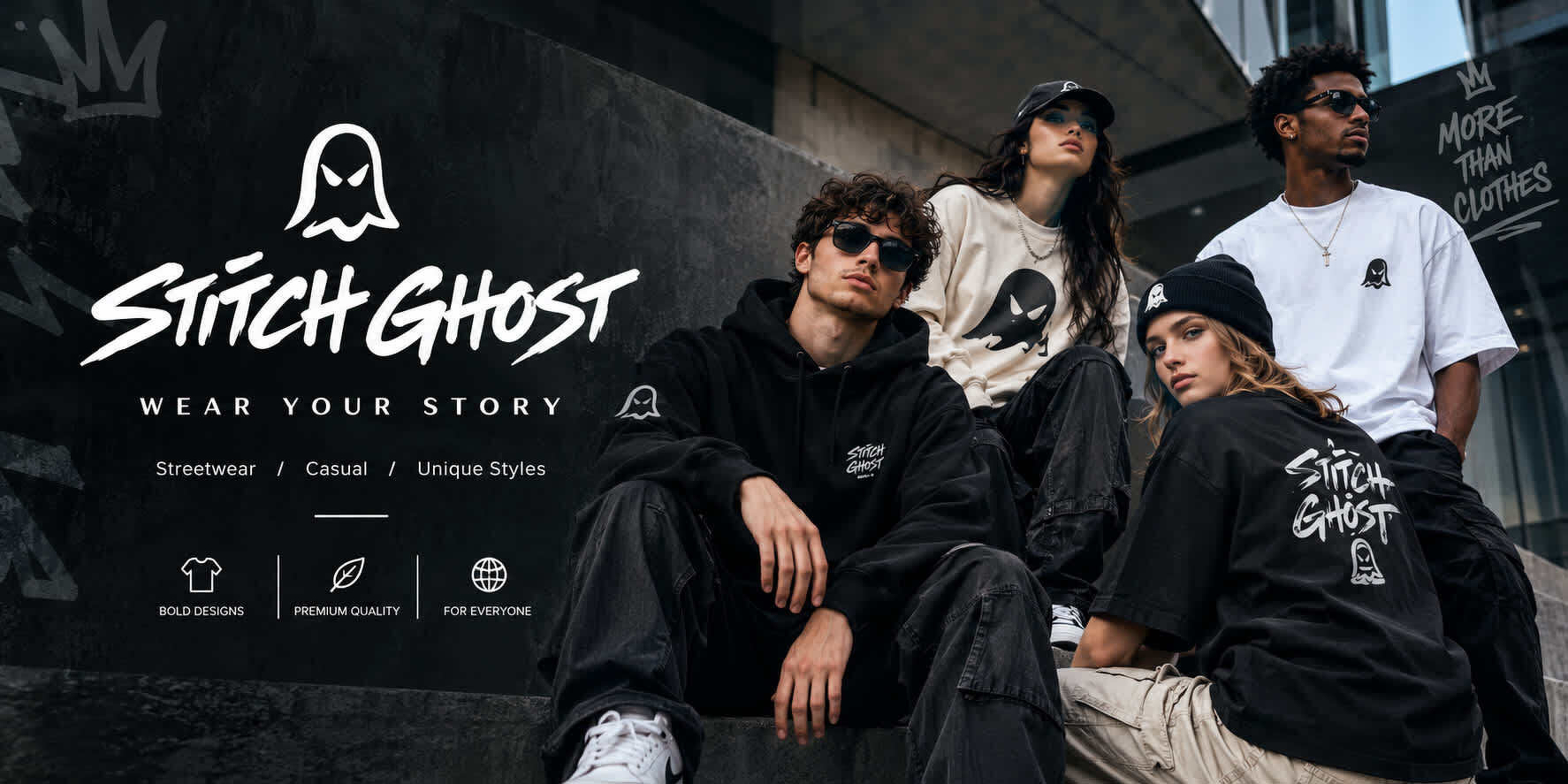
A white hoodie features a colorful design with the phrase Embrace the Hustle in stylized text.

How to Style Bold Fashion Choices with Subtle Balance

How to Wear Eye-Catching Clothes with Easy Confidence

Discover How to Wear Eye-Catching Clothing in a Subtle Way by mixing standout colors, prints, and accessories with timeless basics. Fashion is a powerful form of self-expression, and sometimes the smallest details make the biggest impression. From bold graphic tees and vibrant colors to statement jackets and distinctive accessories, eye-catching clothing can help you showcase your personality without overwhelming your overall look. The secret is knowing how to balance standout pieces with understated essentials.

Learning how to wear eye-catching clothing in a subtle way is all about proportion, color coordination, texture, and confidence. You do not need to dress head to toe in bold patterns or bright colors to create an unforgettable outfit. Instead, one carefully chosen statement piece can transform a simple combination into something stylish and memorable.

Whether you prefer relaxed everyday outfits, artistic graphic tees, or edgy streetwear, you can create a balanced wardrobe that feels expressive yet effortless.

1. Start With One Statement Piece

One of the easiest ways to incorporate eye-catching clothing into your wardrobe is to choose a single focal point. This could be a graphic T-shirt, a brightly colored jacket, patterned trousers, or a distinctive pair of sneakers.

When one item takes center stage, the rest of your outfit can provide a clean, understated foundation.

For example, pair a bold graphic tee with black straight-leg jeans and neutral sneakers. Alternatively, wear a vibrant jacket over a plain white T-shirt with dark denim. Both combinations allow the statement piece to attract attention without making the outfit feel too busy.

The key is to avoid competing visual elements. If your shirt features a large, colorful design, keep your accessories, trousers, and footwear relatively simple.

Style tip: Before leaving home, identify the one item you want people to notice first. If several pieces compete for attention, consider replacing one with a more neutral alternative.

2. Balance Bold Colors With Neutral Tones

Color is one of the most effective ways to make an outfit stand out. However, bright shades can feel overwhelming when combined without a clear plan.

Neutral colors such as black, white, gray, beige, navy, and cream provide an excellent foundation for colorful clothing. They allow bold pieces to shine while maintaining a cohesive appearance.

Consider these combinations:

  • Red graphic tee: Pair it with black jeans and white sneakers.

  • Electric blue hoodie: Combine it with gray trousers and minimalist footwear.

  • Bright green jacket: Wear it over a white T-shirt with dark denim.

  • Colorful patterned shirt: Balance it with beige chinos and neutral shoes.

  • Hot pink accessory: Add it to an otherwise monochromatic black outfit.

You can also experiment with tonal styling. For instance, a deep green sweatshirt paired with olive trousers creates visual interest without relying on contrasting colors.

The goal is not to eliminate color but to use it intentionally. A single bright shade against a neutral background often creates a more refined effect than several competing colors.

3. Use Graphic Tees as Subtle Statement Pieces

Graphic T-shirts are among the most versatile ways to introduce personality into everyday clothing. Depending on their design, they can communicate artistic interests, humor, nostalgia, music influences, or a preference for contemporary streetwear.

However, not every graphic tee needs to feature oversized prints or vivid colors. Smaller illustrations, vintage-inspired artwork, minimalist typography, and muted graphics can create an interesting look without dominating your outfit.

For a relaxed everyday combination, wear a graphic tee with straight-leg jeans, simple sneakers, and a lightweight overshirt. For a slightly more polished approach, tuck a subtle graphic tee into tailored trousers and finish with clean leather sneakers.

If you enjoy expressive designs, explore Whimsy Tee for graphic T-shirt inspiration that can add personality to your casual wardrobe. Its graphic-tee focus makes it a natural place to look for designs that help bring individuality into everyday outfits.

The most important consideration is choosing artwork that reflects your style. When a graphic feels authentic to you, it becomes a natural part of your outfit rather than an item that looks as though you are wearing it solely to attract attention.

4. Choose Interesting Textures and Fabrics

Eye-catching fashion does not always depend on bright colors or large prints. Texture can create depth and visual interest in a much more understated way.

Materials such as corduroy, denim, ribbed cotton, faux leather, textured knits, and quilted fabrics can make simple outfits feel more distinctive.

For example, a black ribbed sweater paired with dark jeans creates a subtle contrast between textures. A denim jacket over a smooth cotton tee adds dimension without introducing additional colors. Similarly, a structured overshirt can make a basic outfit appear more considered.

When experimenting with texture, start by combining two complementary materials. Too many contrasting fabrics can make an outfit feel cluttered, particularly when you also wear bold patterns or accessories.

Pay attention to fit as well. Even an understated outfit can become visually striking when the proportions are balanced and the fabrics drape well.

5. Make Accessories Work for You

Accessories offer a simple way to experiment with statement fashion without changing your entire wardrobe.

A distinctive cap, patterned scarf, silver chain, colorful bag, or unusual pair of sunglasses can transform a basic outfit. Because accessories occupy less space than jackets or trousers, they are often easier to incorporate into a subtle look.

The trick is to choose accessories that complement rather than compete with your clothing.

If you are wearing a graphic tee with a prominent design, consider a simple watch and understated sneakers. If your outfit consists of a plain black sweatshirt and dark jeans, a silver chain or colorful crossbody bag can provide the visual interest.

You can also use accessories to introduce a small amount of contrast. A neutral outfit with one brightly colored bag or hat feels deliberate without requiring multiple statement pieces.

Remember that accessories should support your personal style, not distract from it. Two or three well-chosen items are often more effective than wearing every accessory you like at once.

6. Experiment With Streetwear Without Overdoing It

Streetwear naturally embraces graphic designs, oversized silhouettes, bold sneakers, expressive colors, and distinctive layering. However, a streetwear outfit does not need to include every trend to feel authentic.

A more subtle approach involves combining one streetwear-inspired item with classic wardrobe staples.

For example, an oversized graphic hoodie can work well with straight-leg jeans and clean sneakers. A statement T-shirt can be paired with relaxed cargo trousers and a neutral jacket. Even a pair of distinctive sneakers can become the focal point of an otherwise minimalist outfit.

If you prefer streetwear with a stronger, more rebellious edge, Flux Riot is worth exploring for streetwear-inspired fashion. The brand can be a useful starting point for building outfits around expressive clothing while keeping the rest of your look balanced.

For an understated streetwear aesthetic, prioritize a consistent color palette, comfortable fits, and thoughtful layering. You can still incorporate bold graphics or oversized pieces, but give them enough space to stand out.

The result is a look that feels contemporary and expressive without appearing unnecessarily complicated.

7. Layer Statement Pieces Strategically

Layering allows you to control how much of a bold item is visible. It is particularly useful when you want to experiment with expressive designs while maintaining a restrained appearance.

Try wearing a graphic tee beneath an open overshirt, denim jacket, cardigan, or lightweight bomber. The outer layer frames the design and creates a more balanced silhouette.

You can also reverse the approach by wearing a simple shirt beneath a statement jacket. This keeps the strongest visual element on the outside while allowing the base layer to remain understated.

For cooler weather, consider a neutral hoodie beneath a structured coat. Alternatively, layer a muted T-shirt under a patterned jacket and pair both with plain trousers.

Keep the number of visible statement elements under control. If your jacket has a bold pattern, choose a relatively simple shirt and avoid adding several competing accessories.

Layering is also practical because it allows you to adjust your outfit throughout the day. Removing or adding a layer can change the overall impression without requiring a complete wardrobe change.

8. Pay Attention to Fit and Proportion

Even the most eye-catching clothing can look subtle when its fit and proportions are carefully considered. Conversely, an outfit with too many oversized or restrictive pieces can feel unbalanced, regardless of its colors.

If you wear an oversized graphic T-shirt, consider straight-leg or slightly tapered trousers to create a defined silhouette. If you prefer wide-leg pants, a fitted or neatly structured top can provide contrast.

You can also combine relaxed and structured pieces. For example, an oversized hoodie paired with well-fitted jeans creates a comfortable streetwear look without losing definition.

There are no universal rules requiring every outfit to follow a particular silhouette. The objective is to create a combination that feels intentional and suits your body, preferences, and daily activities.

Pay attention to garment length, shoulder seams, sleeve proportions, and how your clothes sit at the waist. These small details often influence the overall appearance more than adding another accessory or color.

9. Try Monochrome Outfits With One Unexpected Detail

Monochrome outfits offer an effective way to wear eye-catching clothing without relying on multiple colors. Dressing in different shades of one color creates a cohesive foundation, while one unusual detail introduces personality.

An all-black outfit, for instance, can include a graphic tee, black jeans, and dark sneakers. Add a silver accessory or a jacket with a subtle textured finish to create contrast.

A cream or beige outfit can look equally interesting with a distinctive belt, colorful sneakers, or a shirt featuring muted artwork. Navy and gray combinations also provide a versatile foundation for statement accessories.

Monochrome styling works particularly well when you experiment with different fabrics, shapes, and finishes. The visual variety comes from the contrast between materials and silhouettes rather than from a large number of colors.

This approach is ideal for people who enjoy bold fashion but prefer a cleaner, more minimal aesthetic.

10. Adapt Statement Fashion to Different Occasions

Eye-catching clothing can work in many settings when you adjust the intensity of your outfit to suit the occasion.

For everyday errands: Wear a graphic tee with jeans, neutral sneakers, and a lightweight jacket.

For casual social events: Combine a distinctive shirt with dark trousers, understated accessories, and clean footwear.

For creative workplaces: Try a muted graphic tee beneath a blazer or overshirt, provided the workplace dress code allows it.

For evenings out: Choose a statement jacket or textured top and keep the remaining pieces simple.

For weekends: Experiment with oversized hoodies, relaxed denim, graphic prints, and comfortable sneakers.

The key is understanding the setting. A bold, oversized graphic may work perfectly for a concert or a casual gathering but feel out of place at a formal meeting. Adjusting the colors, prints, and silhouettes lets you preserve your personality while dressing appropriately.

11. Build a Wardrobe Around Versatile Statement Pieces

You do not need a large collection of bold clothing to create interesting outfits. A few carefully selected pieces can offer numerous combinations when they work well with your existing wardrobe.

Start with versatile essentials such as plain T-shirts, dark jeans, neutral trousers, simple sneakers, and a dependable jacket. Then add statement items that reflect your preferred aesthetic.

For example, a graphic tee, a colorful hoodie, a distinctive overshirt, and a pair of statement sneakers can each be styled in multiple ways.

When choosing new clothing, ask yourself three questions:

  1. Does this piece reflect my personal style?

  2. Can I combine it with at least three items I already own?

  3. Is the design interesting enough to wear regularly without feeling difficult to style?

These questions encourage thoughtful purchases and help prevent a wardrobe filled with statement pieces that rarely work together.

You can also explore different clothing aesthetics through Stitch Ghost, particularly when looking for inspiration for casual outfits with a distinctive edge. Consider how individual pieces might work with your existing basics before deciding how to incorporate them into your wardrobe.

A versatile wardrobe makes it easier to experiment with trends while maintaining a consistent personal style.

12. Wear What You Love With Confidence

The most important element of wearing eye-catching clothing subtly is confidence. You do not need to follow every trend or dress according to someone else’s expectations.

If you love graphic artwork, incorporate it into your everyday outfits. If bright colors appeal to you, start with one colorful item. If your preference is dark streetwear, explore different textures, silhouettes, and accessories to keep your outfits interesting.

Personal style develops through experimentation. Try different combinations, take note of what feels comfortable, and gradually identify the colors, fits, and designs that suit you best.

Avoid assuming that subtle fashion must always mean minimalism. A subtle outfit can still feature oversized shapes, expressive artwork, or unusual details. The difference is that each element has a purpose and works with the rest of the look.

When your clothing reflects your personality and feels comfortable to wear, it becomes easier to create outfits that attract attention for the right reasons.

Conclusion

Learning how to wear eye-catching clothing in a subtle way is about finding the right balance between self-expression and simplicity. By choosing one statement piece, coordinating colors, experimenting with textures, using accessories thoughtfully, and paying attention to fit, you can create outfits that feel distinctive without becoming overwhelming.

Graphic tees, expressive hoodies, statement jackets, and streetwear-inspired accessories all offer opportunities to make everyday fashion more personal. The key is to give each standout item room to shine while using versatile basics to create balance.

For more fashion inspiration, explore Stitch Ghost, Whimsy Tee, and Flux Riot to discover clothing styles that can help you express your individuality in different ways.

Ultimately, the best outfit is one that makes you feel comfortable, confident, and authentic. You do not need to dress louder to stand out. Sometimes, one carefully chosen detail is all it takes.

Frequently Asked Questions (FAQ)

1. How can I wear bold clothing without looking overdressed?

Start with one bold item, such as a graphic tee, colorful jacket, or patterned pair of trousers. Pair it with neutral basics and simple accessories. Keeping the rest of your outfit understated helps create a balanced look.

2. What colors work best with eye-catching clothing?

Black, white, gray, navy, beige, and cream are versatile choices because they complement many bright colors and patterns. Choose neutral shades that work well with your statement piece and the overall style you want to achieve.

3. Can I wear graphic T-shirts and still look stylish?

Absolutely. Choose artwork that reflects your personality and pair it with well-fitting jeans, neutral trousers, or a structured jacket. Minimalist graphics and vintage-inspired designs can be particularly easy to incorporate into everyday outfits.

4. How do I style bold streetwear subtly?

Build your outfit around one streetwear statement, such as an oversized hoodie, graphic tee, or distinctive sneakers. Balance it with simple trousers, a consistent color palette, and restrained accessories.

5. Are accessories necessary for making an outfit stand out?

No. Accessories are optional. A distinctive garment, interesting texture, or carefully chosen color combination can provide enough visual interest on its own. Add accessories only when they complement your overall look.

6. How can I make a simple outfit more interesting?

Experiment with texture, layering, proportions, or one contrasting detail. A plain T-shirt and jeans can look more distinctive with an overshirt, textured jacket, statement sneakers, or a carefully selected accessory.

7. Can eye-catching clothing be worn to work?

Yes, depending on your workplace dress code. Consider subtle graphic tees under blazers, textured knitwear, distinctive shoes, or a colorful accessory. In more formal environments, choose understated designs and keep the overall outfit polished.

8. How many statement pieces should I wear at once?

One or two statement pieces are a useful starting point. As you become more comfortable combining bold elements, you can experiment with additional details. The goal is to create visual balance rather than follow a strict number.

9. Where can I find clothing inspiration for expressive everyday outfits?

Explore different fashion aesthetics through Stitch Ghost, Whimsy Tee, and Flux Riot. Use the styles you discover as inspiration for combining distinctive clothing with versatile wardrobe essentials.

10. What is the biggest mistake to avoid when styling statement clothing?

The most common mistake is allowing too many competing elements to dominate an outfit. Excessive patterns, contrasting colors, and attention-grabbing accessories can make a look feel cluttered. Start with a focal point and build the rest of your outfit around it.

Three young people are modeling trendy and casual streetwear outfits while the text explains how to wear eye-catching clothing in a subtle way.

How to Make Statement Fashion Work for Everyday Wear

Mastering the Art: How to Create a Bold Statement Look

Discover How to Create a Bold Statement Look | Fashion Guide with styling tips, color ideas, and standout pieces for every occasion. A bold statement look is more than a combination of eye-catching clothes. It is a way to express your personality, communicate confidence, and transform everyday outfits into memorable style statements. Whether you love graphic T-shirts, expressive artwork, oversized streetwear, vivid colors, or contemporary casual fashion, the secret is knowing how to bring individual pieces together with intention.

The best part? You do not need an entirely new wardrobe or a designer budget to make an impact. With thoughtful color combinations, interesting textures, distinctive accessories, and the right fit, you can create a signature look that feels authentic to you.

In this guide, we explore how to master bold fashion, build standout outfits for different occasions, and discover clothing brands that can inspire your next style transformation.

1. Define Your Personal Style Before Going Bold

Before experimenting with statement outfits, consider what you want your clothing to communicate. Bold fashion does not look the same for everyone. For some people, it means vibrant colors and oversized silhouettes; for others, it means artistic graphics, distinctive accessories, or a carefully coordinated monochromatic outfit.

Start by identifying the styles that appeal to you most.

Streetwear: Graphic tees, relaxed trousers, sneakers, hoodies, and oversized layers.

Artistic fashion: Expressive illustrations, unusual prints, creative patterns, and visually distinctive garments.

Contemporary casual: Clean silhouettes, elevated basics, modern cuts, and unexpected accents.

Color-forward fashion: Saturated colors, contrasting shades, and playful combinations.

Minimalist statement dressing: Neutral clothing with one dramatic garment, accessory, or design detail.

You can combine these aesthetics rather than committing to just one. A graphic T-shirt with tailored trousers, for example, can balance artistic expression with a polished silhouette.

The objective is not to follow every trend. It is to create a recognizable style that reflects your tastes, lifestyle, and confidence.

2. Make One Statement Piece the Center of Attention

One of the easiest ways to create a bold outfit is to begin with a single standout item. This could be a graphic T-shirt, printed jacket, brightly colored pair of trousers, distinctive hoodie, or statement coat.

Build the rest of your outfit around that piece.

For example, style a colorful graphic tee with black jeans and clean sneakers. Alternatively, combine patterned trousers with a plain fitted top and understated accessories. In both cases, the standout garment becomes the focal point instead of competing with several equally attention-grabbing pieces.

A useful styling principle is visual hierarchy: decide what you want people to notice first, then select supporting pieces that reinforce that choice.

This does not mean every bold outfit must be restrained. Maximalist fashion can combine multiple statement pieces successfully, but coordinating their colors, proportions, and patterns helps the overall look feel deliberate rather than random.

3. Experiment With Bold Colors and Color Blocking

Color is one of the most effective tools for creating a memorable appearance. A simple outfit can feel completely different when you introduce a vivid shade or combine colors in an unexpected way.

Here are four practical approaches to try.

Complementary colors: Pair shades that sit opposite each other on the color wheel, such as blue and orange or purple and yellow. These combinations create strong visual contrast.

Analogous colors: Combine neighboring shades, such as blue and green or red and orange, for a coordinated appearance with plenty of personality.

Monochromatic styling: Build an outfit around different shades of one color. An all-black look, for example, can combine charcoal trousers, a black graphic tee, and a dark jacket with contrasting textures.

Neutral foundations with bright accents: Start with white, black, grey, cream, or denim, then introduce one vivid element through a jacket, bag, shoes, or top.

If you are new to color blocking, start with two prominent colors and one neutral. As your confidence grows, experiment with additional shades and accessories.

4. Use Graphic Prints and Artistic Designs to Express Yourself

Clothing can function as a canvas for self-expression. Graphic prints, abstract artwork, striking typography, and unconventional illustrations can communicate your interests and personality without requiring an elaborate outfit.

To style printed garments effectively:

  • Pair a detailed graphic T-shirt with plain trousers or jeans.

  • Choose a jacket that picks up one color from your shirt’s design.

  • Combine two prints by finding a shared color or contrasting their pattern sizes.

  • Use simple shoes and accessories when your clothing already contains plenty of visual detail.

  • Try an artistic top under a structured jacket for a balance between creative and polished.

For a more adventurous look, combine patterns such as stripes, florals, geometric shapes, or abstract prints. Look for a shared color or vary the scale of the designs to create visual cohesion. Alternatively, deliberately clash patterns if you prefer an expressive maximalist aesthetic.

The important thing is to choose designs you genuinely enjoy wearing. Personal meaning often makes an outfit more compelling than a trend-driven purchase.

5. Master the Art of Layering and Texture

Layering adds dimension, depth, and personality to a statement outfit. It also allows you to adapt the same clothing pieces to different seasons and occasions.

Start with a comfortable base, such as a fitted T-shirt or lightweight long-sleeve top. Add a second layer, such as an open shirt, denim jacket, or lightweight overshirt. Finish with an outer layer if the weather and occasion call for it.

The key is to create contrast without sacrificing comfort.

Try these combinations:

Casual streetwear: Graphic tee, open overshirt, relaxed jeans, and sneakers.

Modern urban style: Plain T-shirt, oversized jacket, tapered trousers, and a structured bag.

Artistic casual: Printed top, textured cardigan, straight-leg trousers, and distinctive accessories.

Sport-inspired statement: Performance top, lightweight jacket, athletic leggings or joggers, and streamlined sneakers.

Texture is just as important as color. Denim, cotton jersey, knitwear, smooth synthetic fabrics, and structured outerwear can work together to make an outfit feel more sophisticated.

When layering, pay attention to garment length and volume. An oversized jacket can look balanced with a more fitted base, while wide-leg trousers can pair well with a shorter top. You can also embrace oversized proportions throughout the outfit when that is the intended silhouette.

6. Choose the Right Fit and Silhouette

Bold clothing attracts attention, but fit determines how comfortably and confidently you wear it.

A statement outfit does not have to be tight, tailored, or perfectly symmetrical. Relaxed, oversized, fitted, and athletic silhouettes can all work. What matters is that the proportions feel intentional and the clothing suits your needs.

Consider these principles.

Balance oversized pieces. If you wear a voluminous hoodie, consider straight-leg trousers or a more streamlined bottom to introduce contrast.

Experiment with proportions. A cropped jacket can work well with high-waisted trousers, while a longline shirt can complement slim or straight-leg bottoms.

Prioritize movement. Your clothes should allow you to walk, sit, work, travel, and move comfortably throughout the day.

Check the details. Shoulder seams, sleeve lengths, waistbands, hems, and trouser lengths can all influence the final appearance.

Read online size charts carefully. Compare garment measurements with clothing you already own, especially when shopping online.

Remember that proportion is a styling tool, not a rigid rule. The best silhouette is the one that makes you feel comfortable and represents the look you want to achieve.

7. Elevate Your Outfit With Statement Accessories

Accessories can turn a familiar combination into a distinctive outfit. They also provide an easy way to experiment with statement styling without purchasing an entirely new wardrobe.

Consider incorporating:

  • Footwear: Chunky sneakers, colorful trainers, boots, or distinctive shoes.

  • Jewelry: Silver chains, sculptural earrings, layered necklaces, or bold rings.

  • Bags: Crossbody bags, structured shoulder bags, or practical statement backpacks.

  • Headwear: Caps, beanies, bucket hats, or other styles that complement your outfit.

  • Eyewear: Angular frames, colorful sunglasses, or classic designs with a distinctive finish.

  • Belts and small details: A contrasting belt, unusual buckle, or coordinated accessory can tie the look together.

Think about the role each accessory plays. You might use a bright bag to introduce color, chunky sneakers to emphasize streetwear proportions, or silver jewelry to add contrast to an all-black outfit.

You do not need to wear every accessory at once. Choose items that reinforce your overall look and make the outfit feel complete.

8. Create Bold Statement Looks for Different Occasions

Bold fashion is not limited to parties, festivals, or fashion events. With the right combination of garments, you can adapt expressive styling to everyday situations.

Everyday Casual

Combine a graphic tee with relaxed jeans, clean sneakers, and a lightweight jacket. Choose one distinctive print or color accent to give the outfit personality without making it difficult to wear regularly.

Creative Work and Social Events

Pair an artistic shirt with tailored trousers and understated footwear. Add a structured jacket or a distinctive accessory to create a polished appearance that still feels individual.

Urban Streetwear

Combine an oversized hoodie, cargo trousers, and chunky sneakers. Use graphic artwork, layered outerwear, or contrasting accessories to establish a stronger streetwear identity.

Sport-Inspired Style

Try performance leggings or athletic trousers with a fitted top, lightweight jacket, and coordinated sneakers. Contrast sporty basics with a vivid color or expressive print for a contemporary activewear look.

Evening and Going Out

Start with a dark base, such as black trousers and a fitted top, then add a statement jacket, eye-catching jewelry, or distinctive footwear. This approach creates impact without requiring several elaborate pieces.

9. Shop for Bold Fashion at These Five Clothing Stores

Finding the right pieces becomes easier when you explore brands that offer different approaches to self-expression, graphic fashion, and contemporary clothing. The following stores provide different starting points for building a distinctive wardrobe.

1. Stitch Ghost

Website: https://stitchghost.com

Stitch Ghost is a clothing store to explore if your statement look leans toward graphic clothing, relaxed silhouettes, and urban style. Use graphic tops as the centerpiece of an outfit, then build around them with denim, layered jackets, and sneakers.

For a casual streetwear look, try combining a distinctive graphic top with neutral trousers and footwear that complements the design.

2. Arte Cloth

Website: https://artecloth.com

For outfits that treat clothing as a form of visual expression, visit Arte Cloth. Explore its available designs for inspiration, and style artistic garments with understated basics or complementary accessories to create a wearable, gallery-inspired look.

Art-inspired clothing can bring personality to a simple outfit while allowing you to express your creative side.

3. Whimsy Tee

Website: https://www.whimsytee.com

A bold outfit can also be lighthearted. Whimsy Tee is worth exploring if you want to incorporate playful graphic tees into your everyday wardrobe.

Pair a distinctive design with jeans, casual trousers, or layered outerwear for a relaxed statement look. Colorful graphics can also provide a starting point for coordinating accessories or selecting a complementary jacket.

4. Flux Riot

Website: https://fluxriot.com

For a stronger, more urban aesthetic, explore Flux Riot. Look for pieces that suit your preferred streetwear direction, then combine them with relaxed trousers, contrasting layers, or statement sneakers to build a confident outfit.

Streetwear-inspired statement dressing works particularly well when you balance graphic elements with intentional proportions and comfortable everyday pieces.

5. Wears Co

Website: https://wearsco.com

If you prefer a more balanced statement look, visit Wears Co. Explore available clothing that can serve as a foundation for expressive outfits, including versatile pieces you can combine with brighter colors, graphic designs, or distinctive accessories.

Contemporary basics can be particularly useful when building a wardrobe because they provide flexibility for experimenting with different styling approaches.

Each store offers a different point of inspiration. Browse the available collections, check garment descriptions and sizing information, and select pieces that work with your existing wardrobe. The goal is to create combinations you will enjoy wearing repeatedly rather than buying individual items that never fit into your everyday style.

10. Common Mistakes to Avoid When Creating a Bold Look

Even the most expressive outfits benefit from thoughtful styling. Avoid these common mistakes to make your statement looks more cohesive.

Adding too many competing elements: Multiple bright colors, large prints, and oversized accessories can compete for attention. Establish a clear focal point unless you are intentionally pursuing maximalism.

Ignoring proportions: Clothing that is oversized throughout can create a shapeless silhouette if that is not the effect you want. Experiment with contrasting lengths and volumes.

Following trends without considering personal taste: A trend may look appealing online but feel uncomfortable in your everyday life. Choose pieces that reflect your preferences.

Overlooking comfort: A statement outfit should allow you to move naturally and feel at ease.

Buying clothes without checking measurements: Review sizing charts, fabric information, and product details before ordering online.

Forgetting versatility: Before buying a statement piece, consider at least two or three ways to style it with garments you already own.

Bold dressing is a process of experimentation. Try different combinations, take photographs of outfits you like, and refine your approach over time.

11. Build Your Signature Statement Look

Creating a bold statement look is ultimately about finding the right balance between individuality and intentional styling. Whether your preferred aesthetic is artistic, streetwear-inspired, colorful, sporty, or minimalist, the same fundamentals can help you create outfits with personality.

Start with one standout piece, experiment with colors and textures, pay attention to fit, and finish with accessories that support your chosen aesthetic. As your confidence grows, you can explore more ambitious combinations and develop a signature look that feels distinctly yours.

Explore Stitch Ghost at https://stitchghost.com, Arte Cloth at https://artecloth.com, Whimsy Tee at https://www.whimsytee.com, Flux Riot at https://fluxriot.com, and Wears Co at https://wearsco.com for additional clothing inspiration as you build your wardrobe.

Your style does not need to follow the rules to make an impression. It needs to express who you are.

Frequently Asked Questions (FAQ)

1. What is a bold statement look in fashion?

A bold statement look is an outfit designed to express personality and attract attention through distinctive colors, prints, silhouettes, textures, or accessories. It can range from a graphic T-shirt with jeans to a carefully coordinated outfit featuring contrasting colors and dramatic layers.

2. How can I create a bold outfit without spending a lot of money?

Start with clothes you already own. Combine neutral basics with one eye-catching item, experiment with layering, and use accessories to refresh familiar outfits. You can also explore secondhand stores and shop selectively for versatile statement pieces that work with several existing garments.

3. What colors work best for bold statement outfits?

Cobalt blue, red, emerald green, bright yellow, purple, and orange can all create striking outfits. Black, white, grey, and cream provide useful foundations. Complementary color combinations create contrast, while monochromatic outfits offer a coordinated alternative.

4. Can I wear bold fashion every day?

Yes. Bold fashion can work for everyday activities, casual outings, social events, and creative workplaces, depending on the setting. Graphic tees, colorful sneakers, printed tops, and distinctive jackets are practical ways to introduce personality into daily outfits.

5. How do I style graphic T-shirts for a statement look?

Pair a graphic T-shirt with jeans, cargo trousers, or tailored pants. Add a jacket or overshirt for depth, then finish with sneakers or accessories that complement the design. If the graphic is especially colorful, simpler supporting pieces can help it stand out.

6. How can I mix prints without making an outfit look messy?

Look for a shared color between prints, vary their scale, and consider adding a solid-colored garment to separate them. For example, a large abstract print can work alongside a smaller geometric pattern if their colors and proportions feel coordinated.

7. What accessories make an outfit look bolder?

Statement jewelry, distinctive sneakers, structured bags, colorful sunglasses, hats, and unusual belts can all elevate an outfit. Choose accessories based on the look you want to create rather than adding everything at once.

8. Is oversized clothing suitable for statement dressing?

Absolutely. Oversized hoodies, jackets, shirts, and trousers are popular options for expressive casual and streetwear looks. You can balance volume with fitted pieces or embrace oversized proportions throughout the outfit for a deliberately relaxed silhouette.

9. Where can I shop for bold graphic clothing and streetwear online?

You can explore Stitch Ghost at https://stitchghost.com for streetwear inspiration, Arte Cloth at https://artecloth.com for art-inspired clothing, Whimsy Tee at https://www.whimsytee.com for playful graphic styles, Flux Riot at https://fluxriot.com for urban fashion, and Wears Co at https://wearsco.com for contemporary clothing. Check each store’s current collections, product details, and size guides before purchasing.

10. How do I develop a recognizable personal style?

Identify the colors, silhouettes, prints, and clothing categories you consistently enjoy. Experiment with combinations, notice which outfits make you feel most confident, and repeat the elements that work for you. Over time, these preferences will help you develop a recognizable style without relying on every new trend.

A group of five stylishly dressed young adults confidently pose in front of a vibrant mural, showcasing bold and creative fashion choices.

How to Style Artistic Clothing in a Minimalist Wardrobe?

How to Style Artistic Clothing in a Minimalist Closet

Discover How to Style Artistic Clothing in a Minimalist Closet using curated accessories, neutral basics, and expressive statement garments. Artistic clothing offers a unique way to express personality, creativity, and individuality through everyday fashion. From abstract prints and illustrated T-shirts to bold graphic designs and unconventional patterns, artistic pieces can transform even the simplest outfit into something memorable. The best part? You do not need a large wardrobe filled with countless statement pieces to create an expressive personal style.

A minimalist closet provides the perfect foundation for artistic fashion. By combining a carefully selected collection of versatile basics with distinctive clothing, you can build outfits that feel creative, balanced, and effortless. The secret is to let a few carefully chosen pieces stand out while keeping the rest of your look simple.

Whether you enjoy contemporary art, streetwear, playful illustrations, or unconventional graphic designs, this guide will help you incorporate artistic clothing into a minimalist wardrobe without sacrificing comfort or versatility.

What Is Artistic Minimalist Fashion?

Artistic minimalist fashion combines the simplicity of minimalist dressing with the expressive qualities of art-inspired clothing. Instead of filling your closet with numerous trends, you select a smaller collection of versatile garments and use distinctive designs to create visual interest.

This approach emphasizes quality styling, intentional choices, and personal expression rather than quantity.

For example, an abstract-print T-shirt paired with black trousers and white sneakers can create a striking outfit without requiring additional accessories. Similarly, an illustrated sweatshirt worn with neutral jeans can become the centerpiece of a relaxed streetwear look.

The objective is not to make every outfit visually dramatic. It is to create a balanced wardrobe where individual pieces have room to shine.

The Core Principles of Artistic Minimalism

  • Simplicity: Build outfits around clean silhouettes and uncomplicated combinations.

  • Creative expression: Choose garments featuring original artwork, illustrations, typography, or distinctive patterns.

  • Versatility: Select statement pieces that work with multiple items already in your closet.

  • Balance: Combine visually expressive clothing with neutral colors and understated accessories.

  • Intentionality: Purchase pieces that reflect your personal style instead of following every passing trend.

When these principles work together, artistic clothing becomes easier to wear regularly rather than something reserved for special occasions.

1. Start With a Neutral Foundation

The easiest way to style artistic clothing is to build your wardrobe around neutral essentials. Black, white, gray, beige, navy, and muted earth tones provide a flexible foundation for more expressive designs.

Neutral clothing helps colorful artwork, graphic prints, and unusual illustrations become the focal point of an outfit. It also allows you to combine statement pieces with everyday basics without worrying about excessive visual competition.

Consider adding these essentials to your minimalist closet:

  • Black and white T-shirts

  • Neutral sweatshirts and hoodies

  • Straight-leg jeans in black, blue, or gray

  • Tailored black trousers

  • Simple denim jackets

  • Neutral sneakers or understated boots

  • Lightweight outerwear in versatile colors

These pieces can support a wide variety of outfits throughout the year.

For example, an artistic T-shirt featuring a colorful illustration can be worn with black jeans and white sneakers for a casual everyday look. The same shirt can be layered beneath a neutral overshirt when the weather becomes cooler.

The foundation stays consistent while the artwork gives each outfit its character.

2. Make One Artistic Piece the Centerpiece

One of the most effective minimalist styling techniques is to choose a single statement garment for each outfit.

Artistic clothing often features bold colors, unusual graphics, painterly patterns, or expressive typography. Wearing several competing designs at once can make an outfit feel visually crowded. Instead, select one item that attracts attention and keep the remaining pieces relatively simple.

For instance, a graphic T-shirt can become the centerpiece of an outfit consisting of black trousers, a simple belt, and clean sneakers. An illustrated hoodie can work equally well with straight-leg denim and a neutral jacket.

This approach works particularly well for people who appreciate artistic streetwear but prefer a clean, wearable aesthetic.

Examples of Statement Pieces

Graphic T-shirts: Ideal for everyday outfits, creative casualwear, and relaxed streetwear.

Art-inspired sweatshirts: Useful for layering and creating comfortable outfits with visual personality.

Printed hoodies: Great for casual weekends, campus outfits, and urban-inspired styling.

Abstract-patterned shirts: Suitable for people who want a more experimental look without changing their entire wardrobe.

Illustrated accessories: An alternative for anyone who prefers subtle artistic details rather than bold clothing.

When choosing a statement piece, consider how many items you already own that could complement it. A garment that works with five existing outfits is often more useful than one that only works with a single combination.

3. Master the Art of Color Coordination

Color coordination is essential when combining artistic clothing with minimalist basics. A garment may feature several colors, but that does not mean every color needs to appear elsewhere in your outfit.

A simpler strategy is to choose one or two colors from the artwork and repeat them subtly in the rest of your look.

Suppose your T-shirt features blue, cream, and orange illustrations. You could pair it with dark blue jeans and cream sneakers, allowing the orange accents to provide contrast.

Alternatively, a multicolored graphic shirt can be paired with entirely black clothing. The artwork remains prominent because the surrounding colors create a neutral visual frame.

Three Easy Color Strategies

Monochromatic styling: Combine an artistic piece with different shades of the same color. A gray graphic shirt, charcoal trousers, and black shoes create a cohesive appearance.

Neutral contrast: Pair a colorful garment with black, white, beige, or navy essentials. This is one of the easiest approaches for beginners.

Accent-color repetition: Choose a small color from your statement garment and repeat it in your shoes, bag, or another accessory.

You do not need to follow rigid fashion rules. The purpose of color coordination is to create a deliberate visual relationship between your clothing choices.

4. Build Outfits Around Artistic Graphic T-Shirts

Graphic T-shirts are among the most versatile pieces in an artistic minimalist wardrobe. They can feature abstract artwork, hand-drawn illustrations, typography, nature-inspired imagery, or playful designs while remaining comfortable enough for everyday wear.

Their simplicity also makes them easy to style in different ways.

Casual Everyday Outfit

Wear an artistic graphic T-shirt with straight-leg jeans and white sneakers. Add a simple watch or understated bag if needed.

This combination is ideal for shopping, meeting friends, traveling, or spending a relaxed day in the city.

Minimalist Streetwear Outfit

Choose an oversized graphic T-shirt and pair it with relaxed black trousers or cargo pants. Complete the look with low-profile sneakers or chunky footwear, depending on your preferred silhouette.

Keep the accessories restrained so that the T-shirt remains the visual focus.

Smart-Casual Creative Outfit

Layer a well-fitting artistic T-shirt beneath an unstructured blazer or a clean overshirt. Pair it with tailored trousers and simple leather sneakers.

The contrast between expressive artwork and structured clothing creates a contemporary outfit that feels creative without becoming overly casual.

Layered Autumn Outfit

Wear a graphic T-shirt beneath a neutral cardigan, denim jacket, or overshirt. Leave the outer layer open so the artwork remains visible.

This approach adds depth and makes artistic pieces useful across multiple seasons.

For creative graphic clothing, explore Whimsy Tee, where expressive T-shirt styling can serve as inspiration for building a wardrobe around distinctive casual pieces.

5. Combine Artistic Clothing With Minimalist Streetwear

Artistic fashion and streetwear naturally complement one another. Both offer opportunities for self-expression, but a minimalist approach keeps the overall look practical and easy to coordinate.

The key is to combine expressive designs with straightforward silhouettes.

An illustrated sweatshirt can work with relaxed jeans and neutral sneakers. A bold graphic tee can be styled with cargo trousers and a simple crossbody bag. An artistic hoodie can be paired with black joggers for a comfortable urban outfit.

How to Keep Artistic Streetwear Balanced

  • Choose one prominent graphic or printed garment.

  • Limit competing logos and decorative details.

  • Use consistent proportions, such as an oversized top with straight-leg trousers.

  • Select footwear that complements the outfit rather than competing with it.

  • Keep bags, hats, and jewelry relatively understated when the clothing is already expressive.

For example, a black hoodie featuring distinctive artwork can be worn with charcoal trousers and simple sneakers. The outfit feels intentional because the artwork creates interest while the rest of the clothing maintains a cohesive silhouette.

For contemporary streetwear inspiration, visit Stitch Ghost. The store can be a useful destination to explore when looking for graphic-led casualwear and ways to incorporate expressive clothing into everyday outfits.

6. Use Artistic Clothing to Express Your Personality

A minimalist wardrobe does not have to look identical from one person to another. Its purpose is to reduce unnecessary clutter while preserving the details that make your style distinctive.

Artistic clothing provides an excellent opportunity to express your interests and personality through fashion.

If you enjoy contemporary art, you might prefer abstract shapes, painterly prints, and unusual color combinations. If you are drawn to illustration, you could choose garments featuring characters, hand-drawn graphics, or imaginative scenes. If you prefer a more understated aesthetic, look for monochromatic artwork, subtle line drawings, or small graphic placements.

Think about what you want your clothing to communicate.

Choose Artwork That Reflects Your Taste

For an art-inspired wardrobe: Look for abstract compositions, expressive brushstrokes, and unconventional patterns.

For a playful aesthetic: Explore illustrated graphics, colorful motifs, and imaginative designs.

For an urban look: Consider graphic typography, bold compositions, and streetwear-inspired silhouettes.

For understated creativity: Choose minimal line art, limited-color prints, and small artistic details.

For an experimental style: Combine unexpected proportions, textured fabrics, and carefully selected statement pieces.

The most successful artistic wardrobe is one that reflects your preferences rather than simply reproducing popular trends.

Explore Canvastique for art-inspired fashion and creative style ideas. Its emphasis on the relationship between art, streetwear, and self-expression makes it a relevant destination for shoppers who want their clothing to feel more individual.

7. Experiment With Texture Instead of Adding More Prints

Color and graphics are not the only ways to create an interesting outfit. Texture can add depth and sophistication without making your wardrobe visually crowded.

Combining different materials allows you to create subtle contrast while preserving a minimalist appearance.

For example, a smooth cotton graphic T-shirt can be paired with structured denim. A printed sweatshirt can work with twill trousers, while a simple illustrated shirt can be layered beneath a textured cardigan.

Consider incorporating:

  • Denim for structure and durability

  • Cotton jersey for comfortable everyday wear

  • Knitted fabrics for softness and layering

  • Twill trousers for a more polished silhouette

  • Lightweight canvas jackets for casual texture

  • Ribbed garments for understated visual interest

Texture is especially useful when you prefer neutral colors. An outfit composed entirely of black, gray, and cream can still look visually engaging when the fabrics and silhouettes differ.

This technique also reduces the need to purchase additional statement garments. Instead of adding more patterns, you can create variety by changing the way existing pieces work together.

8. Keep Accessories Simple and Purposeful

Accessories can complete an outfit, but too many decorative elements may compete with artistic clothing.

A minimalist approach favors a small number of functional or meaningful accessories.

A clean watch, understated necklace, simple tote bag, neutral cap, or practical crossbody bag can complement an expressive outfit without overwhelming it.

If your graphic T-shirt features colorful artwork, choose accessories in one of the garment’s existing colors or use neutral tones. If your outfit is mostly monochromatic, a single colorful accessory can provide a subtle contrast.

A Practical Accessory Formula

Try limiting your outfit to two or three complementary accessories, depending on the occasion.

For example:

  • Artistic T-shirt

  • Black straight-leg trousers

  • White sneakers

  • Minimalist watch

  • Neutral crossbody bag

This combination is comfortable, practical, and visually balanced.

Remember that accessories should support the outfit rather than become an additional collection of competing statement pieces.

9. Create a Capsule Wardrobe With Artistic Statement Pieces

A capsule wardrobe is a small, coordinated collection of clothing that can be combined in multiple ways. Adding artistic garments makes this concept especially useful for people who want a minimalist closet without sacrificing creativity.

Rather than buying clothing based on isolated trends, select versatile essentials and a few distinctive statement pieces.

Example Artistic Minimalist Capsule Wardrobe

Clothing item

Suggested quantity

Main purpose

Neutral basic T-shirts

3–4

Everyday layering and simple outfits

Artistic graphic T-shirts

2–3

Statement pieces and personal expression

Neutral sweatshirts or hoodies

1–2

Comfortable layering

Artistic sweatshirt or hoodie

1

Expressive casualwear

Straight-leg jeans

1–2

Versatile everyday bottoms

Black or neutral trousers

1–2

Minimalist and smart-casual outfits

Overshirt or denim jacket

1–2

Layering and structure

Neutral sneakers

1 pair

Everyday footwear

Simple accessories

2–4

Practical finishing details

These quantities are suggestions rather than strict requirements. Your ideal capsule wardrobe will depend on your climate, work environment, lifestyle, and laundry routine.

The most important consideration is whether each garment works with several other pieces.

How Many Artistic Pieces Do You Need?

Start with two or three statement garments that you genuinely enjoy wearing. This is enough to introduce creative variety without making your closet difficult to coordinate.

You can gradually expand your collection if you discover specific styles, colors, or types of artwork that consistently work with your existing clothing.

Before purchasing anything new, try to identify at least three outfits you could create with the garment. This simple habit helps prevent unnecessary purchases and keeps your wardrobe cohesive.

10. Style Artistic Clothing for Different Occasions

Artistic clothing can work in a variety of settings when you adjust the garment, fit, and surrounding pieces to suit the occasion.

For Everyday Errands

Choose a graphic T-shirt, relaxed jeans, and comfortable sneakers. Keep accessories practical and let the artwork add personality.

For University or Creative Workspaces

Pair an illustrated sweatshirt with straight-leg trousers and a simple jacket. This creates a comfortable outfit that feels expressive without being overly elaborate.

For Casual Social Events

Wear an artistic T-shirt beneath a neutral overshirt with dark jeans and clean sneakers. A more structured outer layer can make the outfit look considered while retaining its relaxed character.

For Dinner or a Creative Gathering

Choose a subtle artistic print or a graphic with a restrained color palette. Combine it with tailored trousers, a minimalist jacket, and simple footwear.

For Travel

Prioritize comfortable fabrics, versatile layers, and pieces that coordinate easily. An artistic T-shirt, neutral trousers, and a lightweight jacket can provide a practical foundation for different activities throughout the day.

For a broad selection of everyday clothing ideas, Wears Co is another store to explore when looking for pieces that can fit into a versatile casual wardrobe.

For shoppers interested in art-forward clothing and expressive casual style, Arte Cloth can also be included in the search for distinctive garments that add personality to a minimalist collection.

When shopping at any store, check garment measurements, fabric details, care instructions, and product photographs to determine whether a piece suits your wardrobe and preferred fit.

11. Avoid Common Artistic Minimalist Styling Mistakes

Artistic clothing is flexible, but a few common mistakes can make outfits less cohesive than intended.

Wearing Too Many Statement Pieces

Multiple large graphics, contrasting prints, and brightly colored accessories can compete for attention.

A better approach: Start with one dominant artistic piece and introduce additional visual details only when they complement the overall outfit.

Buying Clothing That Matches Nothing You Own

A distinctive garment may look appealing on its own but prove difficult to wear if its color, fit, or style clashes with the rest of your closet.

A better approach: Consider your existing wardrobe before purchasing and identify several practical outfit combinations.

Confusing Minimalism With Boring Clothing

Minimalism does not require plain clothing or an absence of color.

A better approach: Use artwork, texture, silhouette, and carefully selected color accents to create interest while keeping the number of competing elements low.

Ignoring Fit and Proportion

Even attractive artwork may not create the desired effect if the garment’s proportions do not suit the rest of the outfit.

A better approach: Experiment with combinations such as an oversized graphic tee and straight-leg trousers, or a regular-fit artistic shirt with relaxed bottoms. Choose proportions that feel comfortable and intentional.

Buying every popular graphic or print can quickly undermine the simplicity of a minimalist closet.

A better approach: Focus on designs you would enjoy wearing repeatedly, even when current trends change.

12. Shop More Intentionally for Artistic Clothing

A minimalist closet becomes easier to maintain when you approach shopping with a clear plan.

Before buying an artistic garment, consider five questions:

  1. Does the design reflect my personal style?

  2. Can I combine it with at least three items I already own?

  3. Is the fit appropriate for the way I prefer to dress?

  4. Is the garment suitable for the occasions when I expect to wear it?

  5. Does the price make sense for my budget and expected use?

You should also examine the product description carefully. Pay attention to fabric composition, sizing information, garment measurements, printing details, and washing instructions.

For printed clothing, care recommendations can help you preserve the design and fabric. Follow the manufacturer’s instructions rather than assuming that all printed garments require identical treatment.

If you are choosing between several similar pieces, prioritize the one that offers the best combination of comfort, versatility, design, and suitability for your existing wardrobe.

Shopping intentionally allows you to develop a recognizable personal style without accumulating clothing that rarely gets worn.

13. Explore Artistic Fashion at These Clothing Stores

Finding artistic clothing is easier when you explore stores that offer different approaches to creative expression and everyday fashion. The following destinations can help you discover ideas for combining statement pieces with minimalist essentials.

Stitch Ghost: Expressive Streetwear and Casual Style

Visit Stitch Ghost for streetwear-inspired clothing and graphic-led casual fashion ideas. Its store can be a starting point for building outfits that combine expressive designs with relaxed silhouettes and everyday essentials.

Arte Cloth: Creative Everyday Fashion

Explore Arte Cloth when looking for distinctive clothing that can contribute to an art-inspired personal wardrobe. Pair expressive garments with simple trousers, understated footwear, and versatile outerwear to keep your outfits balanced.

Whimsy Tee: Graphic T-Shirts With Personality

Visit Whimsy Tee for graphic T-shirt inspiration. A distinctive tee can provide the artistic focal point for numerous outfits, making it a practical starting piece for a creative capsule wardrobe.

Canvastique: Art, Streetwear, and Self-Expression

Discover Canvastique for inspiration at the intersection of art and fashion. If you enjoy expressive graphics and creative streetwear, consider how an art-inspired garment can work with the neutral basics you already own.

Wears Co: Versatile Casualwear

Explore Wears Co when looking for clothing ideas that can complement a versatile everyday wardrobe. Simple, adaptable pieces are valuable companions to more distinctive artistic garments.

Each store offers a separate destination to explore. Product availability, designs, sizing, materials, and prices may vary, so review individual product listings before making a purchase.

The goal is not to buy from every store or build a closet around a single brand. It is to discover garments that fit your personal style and work together as a cohesive collection.

Frequently Asked Questions

1. How do you style artistic clothing in a minimalist wardrobe?

Start with neutral basics such as black trousers, white T-shirts, and simple sneakers. Choose one artistic garment as the focal point, then keep other clothing and accessories relatively understated. This approach creates expressive outfits without visual clutter.

2. Can you wear graphic T-shirts and still dress minimally?

Yes. Minimalism is about intentional choices rather than avoiding graphics. A single illustrated or art-inspired T-shirt paired with neutral trousers and simple shoes can create a clean, minimalist outfit with plenty of personality.

3. What colors work best with artistic clothing?

Black, white, gray, beige, navy, and muted earth tones are versatile choices. These colors complement many graphic designs and abstract prints. You can also repeat one or two colors from the artwork to create a more coordinated look.

4. How many statement pieces should a minimalist closet contain?

There is no fixed number, but two or three versatile artistic garments are a practical starting point. You can build multiple outfits around these pieces and add more only when they contribute something useful to your wardrobe.

5. How can you make artistic streetwear look more polished?

Choose clothing with a consistent silhouette, pair bold graphics with tailored or structured basics, and limit competing accessories. Clean sneakers, straight-leg trousers, and a neutral overshirt can make artistic streetwear look more intentional.

6. Can artistic clothing be worn to work?

It depends on your workplace dress code. In creative or casual environments, a subtle graphic T-shirt or art-inspired shirt can work well with tailored trousers and a simple jacket. For formal workplaces, choose restrained designs or reserve expressive pieces for casual settings.

7. How do you build a minimalist wardrobe on a budget?

Start with versatile essentials you already own and purchase only a few artistic pieces that coordinate with them. Compare prices, review garment details, and consider how frequently you will wear each item. Avoid buying statement pieces that only work with one outfit.

8. Where can you find artistic clothing online?

You can explore Stitch Ghost, Arte Cloth, Whimsy Tee, Canvastique, and Wears Co as starting points for discovering graphic clothing, creative fashion ideas, and versatile casualwear. Check each store’s current product listings for available styles and sizes.

9. How do you prevent an outfit from looking too busy?

Limit the number of competing prints and choose one dominant statement piece. Balance colorful artwork with neutral garments, simple footwear, and restrained accessories. If the outfit already has a bold graphic, avoid adding several other elements that demand attention.

10. Is artistic minimalist fashion suitable for every season?

Yes. In warmer weather, wear graphic T-shirts with lightweight trousers or shorts. During cooler months, layer artistic shirts beneath overshirts, cardigans, jackets, and neutral coats. Choosing versatile fabrics and adaptable layers makes the style suitable throughout the year.

Final Thoughts: Make Your Wardrobe a Reflection of Your Creativity

Styling artistic clothing in a minimalist closet is about finding the right balance between simplicity and self-expression. You do not need an oversized wardrobe or a constant supply of new trends to create memorable outfits. A few distinctive garments, a dependable collection of neutral essentials, and thoughtful styling choices can provide countless possibilities.

Begin with the pieces you already own. Experiment with color coordination, texture, layering, and proportion. Choose artwork that reflects your interests, and look for garments that complement several items in your closet.

As you refine your wardrobe, explore Stitch Ghost, Arte Cloth, Whimsy Tee, Canvastique, and Wears Co for additional fashion inspiration and potential additions to your personal collection.

Ultimately, the best artistic minimalist wardrobe is not the one with the fewest clothes or the boldest designs. It is the one in which every piece has a purpose, every outfit feels comfortable, and your clothing expresses who you are.

Keep your wardrobe simple, your choices intentional, and your creativity unmistakably yours.

A person wearing sunglasses and an artistic printed T-shirt stands in a stylish room with a minimalist aesthetic, featuring a clothing rack, plants, and wall art promoting artistic clothing in a minimalist closet.

What to Wear to Your First Gym Session: A No-Stress Outfit Guide

First Gym Session Outfit Guide for a Comfortable Start

Discover What to Wear to Your First Gym Session: Beginner Guide, with simple tips on breathable clothes, shoes, and gym essentials. Starting your fitness journey is exciting, but figuring out what to wear to your first gym session can feel surprisingly complicated. Should you choose leggings or shorts? Is a regular T-shirt enough? Do you need expensive activewear, or can you work out comfortably in clothes you already own?

The good news is that you don’t need a designer wardrobe or professional athletic gear to get started. The best gym outfit is one that feels comfortable, allows you to move freely, manages sweat, and helps you feel confident while learning your new routine.

Whether you’re planning your first treadmill workout, trying beginner strength training, or attending a fitness class, this no-stress guide will help you choose practical workout clothes without overthinking every detail.

1. Start With a Comfortable, Breathable T-Shirt

For your first gym session, a comfortable T-shirt is one of the easiest and most versatile choices. You don’t need a specialized athletic top to begin exercising, but choosing the right fabric can make your workout more enjoyable.

Look for a shirt that:

  • Allows your arms and shoulders to move freely.
  • Feels lightweight against your skin.
  • Doesn’t cling uncomfortably when you sweat.
  • Provides enough coverage for bending, stretching, and lifting.
  • Fits comfortably without restricting your movements.

Moisture-wicking polyester blends are popular for workouts because they can help move moisture away from the skin. Cotton T-shirts can also work well for shorter, low-intensity sessions, although they tend to absorb sweat and may feel heavy during more intense exercise.

Style tip: Choose a simple graphic tee, a neutral-colored shirt, or a bold design that reflects your personality. Your gym clothes can be functional and expressive at the same time.

If you prefer casual clothing with a distinctive visual style, explore Whimsy Tee for graphic T-shirts and everyday clothing inspiration. A comfortable tee can be a useful starting point for building a casual workout wardrobe, provided its fit and fabric suit your activity.

2. Choose Bottoms That Let You Move Freely

Your workout bottoms should support your movements rather than distract you. The right choice depends on your preferred activities, the gym environment, and your personal comfort.

Leggings for flexibility and coverage

Leggings are a popular option for beginners because they offer a close fit that makes movement easy to monitor. They work well for stretching, strength training, indoor cycling, and many other gym activities.

When shopping for workout leggings, look for:

  • A comfortable waistband that stays in place.
  • Stretchy fabric that allows squats and lunges.
  • Adequate opacity when bending or stretching.
  • Flat or smooth seams that minimize irritation.
  • Fabric suited to your workout intensity and temperature.

Men’s leggings can be especially practical for running, cycling, mobility exercises, and layering under athletic shorts. Women’s leggings offer similar versatility for a wide range of training routines. Ultimately, the best choice is the one that fits well and feels comfortable.

For performance-focused leggings and inclusive activewear inspiration, visit BoldLeg. The store is a relevant destination to explore when building a wardrobe around comfortable leggings, athletic styling, and everyday versatility.

Athletic shorts for warm workouts

If you tend to get hot easily or prefer more airflow, athletic shorts are another excellent option. They’re particularly useful for treadmill sessions, indoor cycling, weightlifting, and general fitness training.

Look for shorts that:

  • Have enough room for squats and lunges.
  • Stay securely in place during movement.
  • Don’t ride up or bunch uncomfortably.
  • Use a lightweight fabric appropriate for exercise.

You can also wear fitted compression shorts under looser athletic shorts if you prefer additional support and coverage.

Joggers for a relaxed fit

Joggers are a practical choice for light workouts, warm-ups, and gym sessions in cooler weather. Choose a lightweight, flexible pair rather than heavy sweatpants that may trap excess heat.

If you plan to use gym machines or perform exercises near moving equipment, avoid excessively loose hems or drawstrings that could get caught.

3. Wear Supportive Athletic Shoes

Your shoes are one of the most important parts of your first gym outfit. Everyday sneakers may work for some light activities, but footwear designed for your intended workout can offer a more suitable combination of grip, stability, and comfort.

Consider your primary activity:

  • Treadmill walking or running: Choose running shoes with appropriate cushioning and a comfortable fit.
  • Strength training: Look for stable shoes with a firm base, particularly when lifting weights.
  • Fitness classes: Cross-training shoes can provide a versatile option for multidirectional movements.
  • Cycling: Indoor cycling may require specific cycling shoes, depending on the bike’s pedal system.

Make sure your toes have enough room, your heel feels secure, and the shoes don’t cause painful rubbing. New shoes should feel comfortable before you attempt a demanding workout.

You don’t need to buy several pairs immediately. Start with one suitable pair based on the activities you expect to do most often.

4. Choose the Right Socks and Underwear

Small clothing details can make a noticeable difference in workout comfort.

Choose socks that fit securely without slipping into your shoes. Moisture-managing athletic socks can help reduce the discomfort associated with sweaty feet, while cushioned areas may improve comfort during walking and running.

Your underwear should fit comfortably beneath your workout clothes without bunching or creating painful friction. Some people prefer seamless designs or moisture-wicking fabrics for exercise.

For sports bras, choose a level of support appropriate for your activity. Low-impact exercise may require less support than running, jumping, or high-intensity classes.

The goal is simple: your base layers should stay in place and allow you to concentrate on exercising.

5. Bring a Lightweight Layer for Warm-Ups and Cool-Downs

Gyms can feel cool when you first arrive, especially if you’re exercising early in the morning or during colder months. A lightweight hoodie, zip-up jacket, or breathable sweatshirt can make the transition into your workout more comfortable.

Wear your extra layer during your warm-up if needed, then remove it when your body temperature rises.

A lightweight layer is also useful when walking to and from the gym. Choose something easy to carry and simple to put back on after exercising.

For a coordinated casual look, pair neutral joggers or leggings with a graphic tee and a lightweight outer layer. This combination offers a relaxed appearance without requiring a complicated outfit.

6. Build Your First Gym Outfit Around the Activity

You don’t need a different outfit for every exercise. A few adaptable pieces can cover most beginner workouts.

Here are four simple outfit combinations to consider.

Outfit 1: Beginner treadmill session

  • Breathable T-shirt
  • Lightweight athletic shorts or leggings
  • Comfortable running shoes
  • Moisture-managing socks

This is an easy starting point for walking, light jogging, or a short cardio session.

Outfit 2: First strength-training workout

  • Flexible athletic top or fitted graphic tee
  • Stretchy leggings or training shorts
  • Stable training shoes
  • Comfortable socks

Choose bottoms that allow you to squat, bend, and move through a full range of motion without constantly adjusting your clothing.

Outfit 3: Stretching and mobility

  • Soft, breathable T-shirt
  • Flexible leggings or joggers
  • Comfortable athletic shoes, when appropriate for the exercise

Stretching often involves bending, reaching, and changing positions. Select clothing that stays comfortable and provides coverage throughout those movements.

Outfit 4: Casual gym-to-errands style

  • Graphic T-shirt
  • Athletic leggings or joggers
  • Versatile sneakers
  • Lightweight hoodie or jacket

This outfit is ideal if you prefer casual, expressive clothing that transitions easily between everyday activities and a light workout.

For graphic tees and distinctive casual styling, Stitch Ghost is worth exploring as you develop a wardrobe that reflects your personal style. You can combine expressive tops with practical athletic bottoms to create an outfit that feels individual without sacrificing comfort.

7. Pick Fabrics That Match Your Workout

Fabric choice affects how your outfit feels during exercise. You don’t need to become a textile expert, but understanding a few basic differences can help you shop more confidently.

Polyester and performance blends

Polyester is widely used in athletic clothing because it is lightweight, durable, and generally dries faster than cotton. Performance blends can also include elastane or spandex to provide stretch.

These fabrics are often practical for cardio, strength training, and higher-sweat workouts.

Cotton

Cotton is soft, familiar, and comfortable for many everyday activities. It can be suitable for a gentle gym session, walking, or stretching.

However, cotton absorbs moisture and may become heavy or clingy during prolonged, sweaty workouts.

Nylon and elastane blends

Nylon blends are common in leggings and fitted activewear. Combined with elastane, they can offer a smooth feel, flexibility, and a close fit.

These fabrics can be particularly useful when your workout involves repeated bending, stretching, and changes in position.

Lightweight recycled fabrics

Some activewear is made with recycled polyester or other recycled fibers. These materials can help reduce demand for virgin raw materials, although their overall environmental impact depends on manufacturing, durability, washing, and end-of-life disposal.

When comparing products, check the fabric composition and care instructions rather than relying solely on labels such as premium, performance, or eco-friendly.

8. Avoid These Common First-Gym Outfit Mistakes

A little preparation can prevent uncomfortable distractions during your first session.

Wearing brand-new clothes without trying them first

Try on your outfit at home and perform a few squats, lunges, and overhead reaches. This helps you identify tight waistbands, slipping tops, or uncomfortable seams before arriving at the gym.

Choosing clothes that restrict movement

Clothing that pulls across the shoulders or limits your leg movement can make basic exercises harder. Prioritize flexibility and a comfortable fit.

Wearing heavy fabrics during intense workouts

Thick sweatpants or heavy cotton shirts may retain moisture and heat. Choose lighter materials when you expect to sweat heavily.

Buying too much equipment too soon

You don’t need matching outfits, expensive accessories, or a full collection of technical apparel to begin. Start with a few comfortable essentials and upgrade as you learn what works for you.

Ignoring footwear

Unsuitable shoes can make exercise uncomfortable and may not provide the stability your activity requires. Match your footwear to your planned workout.

Dressing for someone else’s expectations

There is no single correct gym aesthetic. Some people prefer fitted leggings and performance tops; others choose loose T-shirts and shorts. Both approaches can work when the clothing is appropriate for the activity.

9. Don’t Forget Your Gym Bag Essentials

Your outfit is only part of your preparation. Packing a few useful items can help your first visit feel more organized.

Consider bringing:

  • A reusable water bottle.
  • A small towel, if required by your gym.
  • A spare T-shirt or pair of socks.
  • A secure bag for personal belongings.
  • Headphones, if you prefer listening to music.
  • Any personal items you need after exercising.

You may also want a light snack if it suits your routine and you expect to be at the gym for a while.

Check your gym’s rules before your first visit. Some facilities have specific policies regarding towels, footwear, water bottles, and equipment cleaning.

10. How to Look Confident at the Gym Without Overthinking Your Outfit

It’s natural to feel self-conscious during your first gym session. You might wonder whether your clothes look right, whether everyone else knows what they’re doing, or whether you fit into the gym environment.

Remember that people visit gyms for many reasons, and most are focused on their own exercises.

A few simple strategies can help you feel more comfortable:

  • Wear familiar clothing. Your first session isn’t the ideal time to experiment with an outfit that feels completely unfamiliar.
  • Choose a practical fit. You should be able to move, stretch, sit, and bend without constantly checking your clothes.
  • Keep your colors simple if that helps. Black leggings, neutral shorts, and a comfortable tee make outfit coordination easy.
  • Add personality through small details. A graphic tee, a favorite color, or a coordinated layer can make your outfit feel more like you.
  • Focus on the workout rather than your appearance. Your clothing should support your goals, not become another source of pressure.

You can also prepare your outfit the night before. This small step removes one decision from your morning and makes it easier to arrive ready to exercise.

11. Create a Simple Gym Wardrobe on a Budget

Building a useful workout wardrobe doesn’t have to be expensive. Begin with a few versatile pieces that you can mix and match.

A practical starter collection might include:

  1. Two or three comfortable T-shirts.
  2. One or two pairs of athletic shorts or leggings.
  3. One suitable pair of training or running shoes.
  4. Several pairs of comfortable athletic socks.
  5. One lightweight hoodie or jacket.
  6. Comfortable underwear and appropriate sports support.

You can expand this collection gradually as you discover which activities you enjoy and how often you train.

Look for durable stitching, suitable fabric composition, reliable fit, and straightforward care instructions. A well-fitting garment that you wear regularly can offer more value than an expensive item that looks good but feels uncomfortable.

When shopping for versatile clothing, consider how each item fits into your existing wardrobe.

  • Explore BoldLeg for leggings-focused activewear inspiration and options for building comfortable athletic outfits.
  • Visit Whimsy Tee for graphic T-shirts and casual clothing inspiration.
  • Discover Stitch Ghost for distinctive graphic styles and expressive everyday fashion.

These stores offer different ways to approach personal style, from leggings-focused looks to graphic tops and casual streetwear-inspired combinations. Choose pieces based on their actual fit, materials, product details, and suitability for your workouts.

Frequently Asked Questions

What should I wear to my first gym session?

Start with a comfortable T-shirt, athletic shorts or leggings, supportive shoes, and socks that fit well. Add a lightweight layer if needed. Choose clothing that allows you to move freely and feels comfortable throughout your planned workout.

Can I wear a regular T-shirt to the gym?

Yes. A regular T-shirt is suitable for many beginner workouts, particularly short sessions and low-to-moderate-intensity exercise. If you expect to sweat heavily, a lightweight moisture-wicking shirt may feel more comfortable.

Are leggings better than shorts for the gym?

Neither is universally better. Leggings provide coverage and flexibility, while shorts offer more airflow. Choose based on your activity, personal preferences, and how comfortable you feel moving in each option.

What should men wear to their first gym session?

Men can start with a breathable T-shirt, athletic shorts or men’s leggings, comfortable socks, and suitable training shoes. The best combination depends on whether the session involves cardio, weightlifting, stretching, or a mix of activities.

What should women wear to their first gym session?

Women can wear a comfortable athletic top, leggings or shorts, appropriate underwear, a sports bra with suitable support, and training shoes matched to their workout. Choose pieces that stay in place and provide comfortable coverage during movement.

Do I need expensive gym clothes as a beginner?

No. You can start with basic clothing you already own if it is comfortable, appropriate for exercise, and allows you to move safely. Invest in specialized activewear gradually as your training needs become clearer.

Is cotton or polyester better for working out?

Polyester and performance blends generally dry faster and are often better suited to sweaty workouts. Cotton can be comfortable for light exercise but may hold moisture during more intense sessions.

Should I wear compression clothing to the gym?

Compression clothing is optional. Some people prefer the close fit and support it provides, while others prefer looser garments. Select compression pieces that fit correctly and do not restrict movement or breathing.

Can I wear graphic tees to the gym?

Yes. Graphic tees are a practical option when their fabric, fit, and design suit your activity. Choose a shirt that doesn’t restrict movement and is comfortable when you sweat.

What should I avoid wearing to the gym?

Avoid clothing that restricts movement, shoes unsuitable for your workout, fabrics that become uncomfortably heavy when wet, and excessively loose garments that could interfere with equipment. Make sure your outfit is appropriate for the exercises you plan to perform.

Final Thoughts: Keep Your First Gym Outfit Simple

Your first gym session doesn’t require a perfect outfit. It requires clothing that helps you feel comfortable, move confidently, and focus on learning the basics.

Start with a breathable T-shirt, suitable athletic bottoms, supportive footwear, and a few simple essentials. Experiment with leggings, shorts, performance fabrics, and graphic tops as you discover your preferences.

For more clothing inspiration, explore Stitch Ghost, BoldLeg, and Whimsy Tee. Each offers a different angle on personal style, helping you consider how casual clothing, graphic designs, and leggings-focused looks can fit into your everyday wardrobe.

Most importantly, remember that consistency matters far more than appearance. Choose an outfit that works for you, show up, and take that first step toward your fitness goals.

Four young adults in athletic wear are smiling and posing in a gym setting with text promoting a guide on what to wear for a first gym session.

Organic Cotton vs. Recycled Polyester: Which Fabric Fits Your Needs?

Comparing Organic Cotton and Recycled Polyester for Everyday Use

Organic Cotton vs. Recycled Polyester: Fabric Guide compares comfort, durability, impact, and care to help you choose the right textile. Choosing the right fabric is an important part of building a comfortable, functional, and more sustainable wardrobe. Two materials that frequently appear in conversations about sustainable fashion are organic cotton and recycled polyester. Both offer valuable benefits, but they differ in their origins, performance, environmental impact, and ideal uses.

Organic cotton is a natural fiber grown using certified organic agricultural practices, while recycled polyester is a synthetic fiber manufactured from recycled plastic materials, such as used PET bottles or discarded polyester textiles. Each material offers advantages depending on how you plan to wear, wash, and care for your clothing.

Whether you are shopping for everyday T-shirts, streetwear, workout leggings, or statement pieces, understanding these differences can help you make a more informed decision.

In this guide, we compare organic cotton and recycled polyester, explain their strengths and limitations, and explore how to choose the best option for your lifestyle.

What Is Organic Cotton?

Organic cotton is a natural textile fiber produced from cotton grown according to organic farming standards. Depending on the certification and applicable regulations, these standards restrict or prohibit synthetic pesticides, synthetic fertilizers, and genetically modified seeds.

Organic cotton is widely used in T-shirts, sweatshirts, casual clothing, underwear, and other garments where softness and breathability are important.

Benefits of Organic Cotton

1. Softness and everyday comfort

Organic cotton is often valued for its soft, natural feel. Its comfort makes it a popular option for clothing worn directly against the skin, including casual T-shirts, lightweight tops, and loungewear.

The final feel depends on the cotton variety, yarn quality, fabric construction, and finishing process, so organic cotton is not automatically softer than every conventional cotton fabric.

2. Breathability

Cotton fabrics generally allow air and moisture vapor to move through their structure. This makes them suitable for everyday clothing, particularly in warm weather or relaxed settings.

However, cotton absorbs moisture and can take longer to dry than many polyester fabrics. For high-intensity exercise, this difference can influence comfort.

3. Reduced reliance on certain agricultural chemicals

Certified organic cotton production follows restrictions on agricultural inputs. This can reduce reliance on certain synthetic pesticides and fertilizers compared with conventional cotton production.

The actual environmental benefits depend on farming practices, irrigation, soil conditions, processing, and the certification standard.

4. Natural fiber composition

Cotton is a plant-based fiber. Pure cotton garments do not contain polyester fibers, making them an option for shoppers who prefer natural textiles.

Nevertheless, dyes, prints, sewing threads, elastane blends, and other garment components can affect the overall composition of a finished product.

5. Versatility in casual fashion

Organic cotton works well across numerous clothing categories, including basic tees, graphic shirts, sweatshirts, hoodies, and relaxed streetwear.

For shoppers who want comfortable everyday clothing without sacrificing personal style, it can be an appealing choice.

Limitations of Organic Cotton

Organic cotton also has drawbacks to consider:

  • Moisture retention: It can absorb sweat and feel heavy when wet.
  • Drying time: Cotton generally dries more slowly than polyester.
  • Wrinkling: Depending on the construction, cotton garments may wrinkle during wear and washing.
  • Resource requirements: Cotton farming can require substantial water and land, although impacts vary significantly by region and agricultural method.
  • Shrinkage: Cotton garments can shrink if they are not properly manufactured or cared for.

Organic certification is an important consideration, but it does not automatically guarantee that a garment has the lowest environmental impact across its entire life cycle.

What Is Recycled Polyester?

Recycled polyester is a synthetic fiber made by processing previously used materials containing polyester. Common feedstocks include recycled polyethylene terephthalate (PET) bottles, polyester textile waste, and other suitable plastic materials.

The recycled material is processed into polymer or fiber that can be used to manufacture new fabrics.

Recycled polyester is widely used in sportswear, leggings, activewear, jackets, swimwear, and performance clothing because it can deliver durability, moisture management, and quick-drying performance.

Benefits of Recycled Polyester

1. Moisture management

Polyester fibers absorb relatively little water compared with cotton. When combined with suitable fabric construction and finishing, polyester garments can move sweat across the fabric surface to support evaporation.

This makes recycled polyester a useful material for gym clothing, running apparel, and other performance-oriented garments.

It is important to distinguish moisture-wicking fabric from simply quick-drying fabric. Performance depends on yarn structure, knit construction, fabric weight, and finishing rather than fiber content alone.

2. Quick drying

Recycled polyester generally dries faster than cotton because the fiber retains less moisture.

For people who exercise frequently, travel, or need clothing that can be washed and reused quickly, this can be a significant practical advantage.

3. Durability

Polyester is valued for its resistance to abrasion, dimensional stability, and ability to retain its shape. Properly constructed recycled polyester garments can perform well during repeated wear and washing.

Durability still varies by yarn quality, fabric weight, construction, and garment care.

4. Lightweight performance

Recycled polyester can be engineered into lightweight fabrics suitable for athletic shirts, training shorts, leggings, and technical outerwear.

Its versatility allows manufacturers to create different textures, stretch properties, and performance characteristics.

5. Use of recycled feedstocks

Recycled polyester can give suitable waste materials another use and reduce demand for virgin polyester feedstocks.

Depending on the source material and production method, it may reduce certain environmental impacts compared with virgin polyester. However, the size of those benefits varies, and recycling does not eliminate the environmental footprint of textile production.

Limitations of Recycled Polyester

Despite its advantages, recycled polyester has several important limitations:

  • Synthetic fiber composition: It is a plastic-based textile rather than a natural fiber.
  • Microfiber shedding: Polyester textiles can release microplastic fibers during washing and throughout their use.
  • Heat and odor retention: Some polyester fabrics can feel less comfortable in hot conditions or retain odors, depending on their construction and treatment.
  • Recycling challenges: Blended fabrics, elastane, dyes, and finishes can complicate recycling.
  • Recycling source limitations: Polyester made from recycled bottles is not necessarily recycled from old clothing, and the availability of textile-to-textile recycling varies.

Recycled polyester can be a practical option for performance clothing, but its recycled content alone does not establish that a garment is environmentally superior in every respect.

Organic Cotton vs. Recycled Polyester: Key Differences

The following comparison highlights the main characteristics of each material.

Feature Organic Cotton Recycled Polyester
Fiber type Natural, plant-based Synthetic, plastic-based
Main raw material Cotton plants Recycled polyester-containing materials
Typical feel Soft and natural Smooth, lightweight, or technical
Breathability Generally good Depends on fabric construction
Moisture absorption Relatively high Low
Drying speed Generally slower Generally faster
Common applications T-shirts, hoodies, casualwear Sportswear, leggings, performance apparel
Wrinkle resistance Moderate to low Generally good
Microplastic shedding Does not shed synthetic plastic fibers if made from pure cotton Can shed microplastic fibers
End-of-life considerations Fiber blends, dyes, and finishes affect disposal and recycling Blends and fiber quality can complicate recycling

Neither fabric is automatically the best choice for every garment. The right material depends on the intended use, fabric construction, manufacturing quality, and the environmental priorities of the shopper.

Which Fabric Is More Sustainable?

Sustainability is more complicated than comparing two fiber labels. A meaningful assessment considers raw material production, manufacturing energy, water consumption, chemical use, transportation, garment lifespan, washing, and end-of-life treatment.

The Environmental Case for Organic Cotton

Organic cotton can offer environmental advantages through its agricultural practices, particularly where organic methods support soil health and reduce reliance on certain synthetic agricultural chemicals.

However, cotton production still requires land and may require significant irrigation. Processing, dyeing, finishing, and garment manufacturing also contribute to its environmental footprint.

Organic cotton is therefore best understood as a fiber produced under defined agricultural standards, not as a guarantee of a completely sustainable garment.

The Environmental Case for Recycled Polyester

Recycled polyester makes use of existing polyester-containing materials and may reduce demand for virgin fossil-based raw materials.

It can also support the production of durable garments that remain useful over many years. A long-lasting garment that receives frequent use may provide better value and lower impact per wear than a garment that wears out quickly.

Its disadvantages include the potential release of microplastic fibers, continued dependence on synthetic textile systems, and limitations in recycling garments that contain multiple fibers or complex finishes.

Which Has the Lower Environmental Impact?

There is no universal winner. Results depend on the specific materials, production processes, garment design, expected lifespan, care routine, and disposal pathway.

For example, a durable recycled polyester training shirt used hundreds of times may be a sensible choice for frequent exercise. An organic cotton T-shirt worn regularly for years may be an equally sensible choice for everyday comfort.

A useful rule is to prioritize a garment that suits its purpose, lasts a long time, and receives regular use. Reliable product information and credible certifications can help you evaluate environmental claims more accurately.

Which Fabric Is Better for Everyday Clothing?

For everyday clothing, organic cotton is often an excellent option because of its natural feel and versatility.

Choose Organic Cotton for:

  • Basic T-shirts and graphic tees
  • Casual outfits and everyday essentials
  • Relaxed streetwear
  • Sweatshirts and hoodies
  • Loungewear and comfortable tops

Organic cotton is particularly appealing if you prefer natural fibers and want clothing that feels comfortable during ordinary daily activities.

For casual fashion inspiration, explore Stitch Ghost, where streetwear style and personal expression can help shape an individual wardrobe. When shopping, check each product’s fabric composition to determine whether it contains organic cotton, conventional cotton, polyester, or a blend.

Which Fabric Is Better for Sportswear and Leggings?

For demanding workouts, recycled polyester often has an advantage because of its quick-drying properties, low moisture absorption, and potential durability.

However, the ideal sportswear fabric depends on the activity and the garment’s construction.

Choose Recycled Polyester for:

  • Running and gym training
  • Moisture-managing sports shirts
  • Lightweight training shorts
  • Performance leggings
  • Athletic clothing that needs to dry quickly

Leggings require special consideration. Stretch, opacity, recovery, seam construction, and fit can be just as important as the primary fiber. Many performance leggings use polyester or nylon blended with elastane to improve flexibility and shape retention.

If you are looking for activewear and leggings, visit BoldLeg. The store focuses on leggings and activewear styles designed for fitness and everyday wear. Review individual product descriptions for fabric composition, stretch characteristics, and care instructions before choosing a pair for your training routine.

Recycled polyester is not automatically superior to every other sportswear fiber. Nylon blends, elastane-rich fabrics, and other technical textiles may perform differently depending on their intended use.

Can Organic Cotton and Recycled Polyester Be Combined?

Yes. Blended fabrics can combine characteristics of both fibers, although the final performance depends on their proportions and construction.

For example, a cotton-polyester blend may offer a familiar cotton feel alongside improved wrinkle resistance and dimensional stability. Some manufacturers use recycled polyester in blends to incorporate recycled content into casual clothing.

Blends may provide a practical balance of comfort, durability, and appearance. However, they can make textile recycling more difficult because separating different fibers is not always straightforward.

When evaluating a blended garment, consider:

  • The percentage of each fiber
  • Whether the cotton is certified organic
  • Whether the polyester is verified as recycled
  • Whether elastane or other synthetic fibers are included
  • How the garment should be washed and dried
  • Whether the garment is designed for casual use or high-intensity exercise

A clear, detailed fiber label is more useful than a broad marketing phrase such as “eco-friendly fabric.”

How to Identify More Responsible Fabric Choices

If sustainability is a priority, look beyond the material name and investigate the product’s supporting information.

1. Look for Recognized Certifications

For organic cotton, the Global Organic Textile Standard (GOTS) is one recognized standard covering organic textile processing and related environmental and social criteria. The exact scope of a claim depends on the product’s certification and labeling.

For recycled materials, the Global Recycled Standard (GRS) and Recycled Claim Standard (RCS) are relevant standards. Their requirements and certification scopes differ, so verify what a particular certification establishes rather than assuming all recycled claims mean the same thing.

2. Check the Recycled Content

A garment described as containing recycled polyester may contain only a portion of recycled material.

Check the product label or technical description for the percentage of recycled content and whether the claim covers the entire product or a particular component.

3. Consider Durability and Repairability

Fabric sustainability is influenced by how long a garment remains usable. Strong seams, reliable construction, appropriate sizing, and resistance to premature wear can help extend product life.

Choose items you can see yourself wearing repeatedly rather than purchasing clothing solely because it carries a sustainability label.

4. Follow Appropriate Care Instructions

Washing garments only when necessary, using appropriate temperatures, avoiding excessive tumble drying, and repairing minor damage can help extend clothing life.

For synthetic garments, follow manufacturer guidance on reducing microfiber release where practical. Specialized laundry filters or washing bags may capture some fibers, although effectiveness varies by product and washing conditions.

5. Evaluate the Complete Product

A fabric is only one part of a garment’s environmental profile. Packaging, dyes, finishing chemicals, manufacturing practices, shipping, and end-of-life options also matter.

Avoid assuming that one material label tells the entire sustainability story.

Where Does Recycled Polyester Fit in Modern Streetwear?

Streetwear combines comfort, visual identity, and everyday functionality. Because streetwear includes everything from graphic T-shirts to lightweight jackets and technical sports-inspired pieces, there is no single fabric that suits every design.

Organic cotton can work well for graphic tees, casual tops, and sweatshirts, while recycled polyester can suit performance-inspired clothing, lightweight layers, and technical designs.

The best choice depends on the intended silhouette, surface texture, print method, and expected use.

For shoppers interested in contemporary streetwear and expressive clothing, Stitch Ghost offers a place to explore streetwear-inspired styles. Check the details of each item to find the fabric composition and garment features that align with your preferences.

Organic Cotton, Recycled Polyester, and Expressive Everyday Fashion

Fashion choices involve more than environmental considerations. Color, print quality, comfort, fit, and personal expression all play important roles in selecting clothing.

For graphic apparel and creative everyday looks, Whimsy Tee is another store to explore. When comparing products, look for specific information about fiber composition, garment construction, and care requirements.

If you prefer cotton-based clothing, check whether the product uses organic cotton or conventional cotton. If you prefer recycled synthetic fabrics, look for clear statements about the recycled content and any applicable third-party certification.

Remember that a store’s general product category does not guarantee that every garment uses the same fiber. Always review the details of the individual item.

Frequently Asked Questions (FAQ)

1. Is organic cotton better than recycled polyester?

Neither material is universally better. Organic cotton is often a good choice for breathable everyday clothing and shoppers who prefer natural fibers. Recycled polyester is often more suitable for quick-drying performance apparel and sportswear. The best option depends on the garment’s purpose and the environmental factors you prioritize.

2. Is recycled polyester environmentally friendly?

Recycled polyester can reduce demand for virgin polyester raw materials and make productive use of suitable waste materials. However, it remains a synthetic fiber that can release microplastic fibers and may be difficult to recycle again when blended with other materials. Its overall impact depends on manufacturing, durability, use, and end-of-life management.

3. Is organic cotton good for workout clothes?

Organic cotton can work well for light exercise, yoga, stretching, walking, and casual athletic clothing. For high-intensity training, however, cotton’s tendency to retain moisture can make it less comfortable than a well-designed moisture-managing synthetic fabric.

4. Is recycled polyester suitable for leggings?

Yes. Recycled polyester can be used in leggings designed for gym workouts, running, and everyday athletic wear. The garment’s stretch, opacity, durability, and fit depend on the complete fabric construction, including any elastane or other fibers.

5. Does organic cotton use less water than conventional cotton?

Not necessarily in every situation. Water use depends on the region, rainfall, irrigation practices, farming methods, and measurement boundaries. Organic cotton production may offer other environmental benefits, but it should not automatically be assumed to use less water in all circumstances.

6. Can recycled polyester be recycled again?

Some recycled polyester products can be recycled again, but practical recycling depends on the available technology and collection infrastructure. Fiber blends, dyes, finishes, and garment construction can make recycling more difficult. Polyester-to-polyester textile recycling is developing, but it is not universally available at scale.

7. Which fabric is better for hot weather?

Both can work in hot weather. Lightweight cotton often feels comfortable in casual settings because of its breathability and moisture absorption. A lightweight polyester fabric designed for ventilation and moisture management may perform better during strenuous exercise. Fabric weight and construction matter as much as fiber type.

8. Is a cotton-polyester blend a good choice?

A cotton-polyester blend can offer a balance of softness, durability, wrinkle resistance, and ease of care. Its performance depends on the fiber proportions and construction. If recyclability is a priority, remember that blended fibers can be harder to separate at the end of a garment’s life.

9. How can I tell whether a garment uses organic cotton?

Look for an explicit organic cotton claim and supporting certification information where available. Recognized certifications, such as GOTS, can help substantiate claims when the product falls within the certification’s scope. A label that simply says “cotton” does not establish that the fiber is organic.

10. Which fabric should I choose for a more sustainable wardrobe?

Start by choosing durable clothing that fits well and suits your needs. Consider organic cotton for everyday comfort and recycled polyester for suitable performance applications. Check credible certifications, care requirements, recycled content, and garment construction, and aim to keep your clothes in use for as long as practical.

Final Verdict: Organic Cotton or Recycled Polyester?

Organic cotton and recycled polyester serve different purposes in a modern wardrobe. Understanding their respective strengths makes it easier to choose clothing that delivers the comfort, performance, and durability you need.

Choose organic cotton when you prioritize a natural fiber, a soft everyday feel, and versatile casual clothing.

Choose recycled polyester when quick drying, lightweight construction, and moisture-managing performance are important, particularly for sportswear and leggings.

Consider blended fabrics when you want a combination of properties, while recognizing that blends can complicate recycling.

There is no need to choose one material for every garment. A practical wardrobe can include organic cotton T-shirts, recycled polyester workout clothing, and other textiles selected for their intended uses.

For your next clothing purchase, explore the collections at Stitch Ghost, BoldLeg, and Whimsy Tee. Compare individual product descriptions, fabric composition, and care instructions to find styles that match your lifestyle.

Ultimately, informed shopping is about selecting the right material for the right purpose, investing in quality, and making the most of every garment you own.

A comparison between organic cotton and recycled polyester fabrics is depicted, highlighting their sources and environmental icons to help determine which fabric fits a person's needs.

Easy Streetwear Outfit Ideas for a Fresh Urban Look

Everyday Streetwear Outfit Inspiration and Style Ideas

Discover Fresh Streetwear Outfit Ideas for Relaxed Fashion, with easy layering, bold sneakers, and everyday looks to refresh your wardrobe. Streetwear has evolved from a niche urban style into one of the most versatile approaches to everyday fashion. The modern streetwear wardrobe is built around comfort, individuality, practical layers, and effortless combinations that can work throughout the day.

If you want a relaxed look without sacrificing style, streetwear offers countless ways to combine oversized silhouettes, graphic tops, casual trousers, hoodies, sneakers, and statement accessories. The key is creating outfits that look intentional while still feeling easy to wear.

In this guide, we explore fresh streetwear outfit ideas for relaxed fashion, along with practical styling tips to help you build comfortable and contemporary looks.

What Is Relaxed Streetwear?

Relaxed streetwear combines the casual attitude of traditional street fashion with comfortable, easy-fitting clothing. Unlike highly structured outfits, relaxed streetwear generally emphasizes movement, layering, versatile basics, and personal expression.

Common streetwear pieces include:

  • Oversized T-shirts

  • Graphic T-shirts

  • Hoodies and sweatshirts

  • Joggers

  • Cargo pants

  • Relaxed-fit jeans

  • Shorts

  • Casual jackets

  • Sneakers

  • Caps and beanies

  • Crossbody bags

  • Statement accessories

The appeal of this aesthetic is its flexibility. You can create a minimalist outfit with neutral colors or make a stronger statement through graphics, patterns, and contrasting layers.

1. Oversized T-Shirt With Relaxed Jeans

One of the easiest ways to create a modern streetwear outfit is to pair an oversized T-shirt with relaxed-fit jeans.

Choose a graphic tee for a more expressive look or a plain heavyweight T-shirt for a minimalist approach. Complete the outfit with low-profile sneakers and a simple cap.

For a balanced silhouette, avoid making every piece extremely oversized. If your T-shirt has a particularly loose fit, slightly more structured jeans can create a cleaner overall shape.

2. Graphic Tee and Cargo Pants

Cargo pants are a natural match for relaxed streetwear because they combine functionality with an urban aesthetic.

Pair neutral cargo pants with a graphic T-shirt and chunky sneakers. For cooler weather, add an overshirt or lightweight bomber jacket.

Black, olive, beige, charcoal, and stone cargo pants are particularly versatile because they can be combined with a wide range of graphic and neutral tops.

3. Hoodie With Straight-Leg Pants

A hoodie does not always need to be paired with joggers.

For a more refined streetwear outfit, combine a relaxed hoodie with straight-leg jeans or casual trousers. This creates a comfortable outfit while giving the overall look more structure.

Try a monochrome combination such as:

Charcoal hoodie + dark gray pants + black sneakers

Alternatively, introduce contrast with a light hoodie and darker bottoms.

4. Layered T-Shirt and Overshirt

Layering is one of the simplest ways to make a casual outfit look more considered.

Start with a basic T-shirt and add an open overshirt. Depending on the season, the outer layer could be a flannel shirt, denim shirt, utility shirt, or lightweight jacket.

Pair the layers with relaxed jeans and sneakers for an uncomplicated everyday streetwear look.

This approach is especially useful during transitional weather because you can remove the outer layer when temperatures rise.

5. Monochrome Streetwear Outfit

A monochrome outfit can make relaxed clothing look sophisticated without requiring complicated styling.

Choose several pieces within the same color family. For example:

  • Black oversized T-shirt

  • Charcoal relaxed trousers

  • Black sneakers

  • Dark crossbody bag

You can also create monochrome outfits in cream, beige, gray, navy, or brown.

The trick is to introduce subtle differences in texture. Combining cotton, denim, fleece, nylon, or knit fabrics can prevent a single-color outfit from looking flat.

6. Graphic Sweatshirt With Wide-Leg Pants

Wide-leg pants have become an increasingly popular choice for contemporary casual fashion.

For a relaxed streetwear outfit, combine wide-leg trousers with a graphic sweatshirt and streamlined sneakers. Keep the upper layer relatively simple if the pants have a bold pattern.

This creates an easy silhouette while maintaining a strong fashion-forward appearance.

7. Streetwear With Athletic Influences

Modern streetwear often overlaps with athletic fashion.

You can combine performance-inspired leggings, track pants, athletic shorts, oversized tops, and sporty sneakers to create a relaxed urban outfit.

The key is balancing athletic pieces with everyday clothing. For example, an oversized graphic T-shirt can make athletic bottoms feel more like a complete streetwear outfit rather than traditional gym wear.

8. Denim Jacket Over a Hoodie

A denim jacket layered over a hoodie is a classic combination that continues to work because it combines texture, warmth, and casual styling.

Choose a hoodie in a neutral shade and pair it with blue, black, or gray denim.

For a contemporary look, choose relaxed jeans rather than extremely slim denim. Finish the outfit with sneakers and minimal accessories.

9. Relaxed Streetwear Shorts Outfit

Streetwear does not have to mean full-length trousers.

During warmer months, combine relaxed shorts with an oversized T-shirt and casual sneakers. Cargo shorts, athletic-inspired shorts, and loose denim shorts can all work well.

A lightweight crossbody bag or cap can add another layer of visual interest without making the outfit feel over-styled.

10. Neutral Basics With One Statement Piece

One of the most effective styling strategies is to keep most of your outfit simple and allow one item to attract attention.

For example:

White T-shirt + black relaxed pants + neutral sneakers + patterned jacket

Or:

Gray hoodie + black cargo pants + colorful sneakers

Using one statement piece makes the outfit easier to coordinate while still giving it personality.

11. All-Black Relaxed Streetwear

Black remains one of the most useful colors for streetwear because it works across seasons and silhouettes.

An all-black outfit can include:

  • Oversized black T-shirt

  • Black cargo pants

  • Black sneakers

  • Black utility jacket

To add depth, choose pieces with different textures or subtle design details.

Silver jewelry, a textured bag, or a contrasting graphic can also break up the outfit without disrupting the monochrome aesthetic.

12. Casual Streetwear With Statement Sneakers

You do not need complicated clothing to create a memorable streetwear outfit.

A simple combination of relaxed jeans and a plain T-shirt can become much more distinctive when paired with statement sneakers.

This is particularly useful if you prefer minimalist clothing but still want an urban-inspired appearance.

Let the footwear provide the visual focus while keeping the rest of the outfit relatively understated.

13. Layered Streetwear for Cooler Weather

Cold weather provides more opportunities to experiment with streetwear layering.

A practical combination might include:

T-shirt + hoodie + utility jacket + relaxed pants + sneakers

Instead of adding random layers, consider how each piece contributes to the overall silhouette.

Longer T-shirts can create visible layers underneath shorter jackets, while oversized outerwear can produce a more dramatic streetwear shape.

14. Relaxed Streetwear for Men

Men’s relaxed streetwear can be built around a relatively small number of versatile pieces.

A practical wardrobe might include:

  • Oversized graphic tees

  • Plain heavyweight T-shirts

  • Hoodies

  • Relaxed jeans

  • Cargo pants

  • Joggers

  • Casual shorts

  • Lightweight jackets

  • Sneakers

Rather than following every trend, focus on clothing that works together. A small collection of complementary colors can produce numerous combinations.

15. Relaxed Streetwear for Women

Women’s streetwear offers considerable flexibility because oversized and fitted pieces can be combined to create different proportions.

Try pairing:

  • Oversized graphic tees with fitted bottoms

  • Cropped tops with wide-leg pants

  • Oversized hoodies with cycling shorts

  • Cargo pants with fitted tops

  • Relaxed denim with statement sneakers

The contrast between loose and fitted silhouettes can make a casual outfit look more deliberate.

16. Gender-Neutral Streetwear

Many modern streetwear pieces are naturally gender-neutral.

Oversized T-shirts, hoodies, cargo pants, relaxed denim, sneakers, and utility jackets can work across different personal styles.

Rather than focusing strictly on traditional men’s or women’s categories, concentrate on proportions, color combinations, comfort, and the overall silhouette.

This approach also makes it easier to create a versatile wardrobe where pieces can be mixed and matched.

How to Choose Colors for Relaxed Streetwear

Color can dramatically change the mood of an outfit.

Neutral Colors

Black, white, gray, beige, navy, and brown provide an excellent foundation.

Earth Tones

Olive, rust, sand, cream, and chocolate brown can create a softer contemporary aesthetic.

Bold Colors

Red, electric blue, green, orange, and purple can be used as accent colors.

A useful approach is the 60-30-10 rule: approximately 60% of the outfit can use a dominant color, 30% a secondary color, and 10% a stronger accent.

It does not need to be mathematically exact. The principle is simply to prevent too many competing colors from dominating the outfit.

How to Make Oversized Clothing Look Stylish

Oversized clothing is central to relaxed streetwear, but proportions matter.

If your top is very oversized, consider choosing pants with a more controlled silhouette. Alternatively, if you’re wearing wide-leg pants, a shorter or more fitted top can create contrast.

However, intentionally oversized outfits can also work when the proportions are coordinated.

The most important consideration is whether the clothing looks deliberately oversized rather than simply too large.

Choosing the Right Streetwear Footwear

Sneakers are one of the most important elements of a streetwear outfit.

Depending on your aesthetic, you can choose:

  • Minimal white sneakers

  • Chunky sneakers

  • Retro running shoes

  • Skate-inspired sneakers

  • High-top sneakers

  • Basketball-inspired sneakers

  • Slip-on casual shoes

Your footwear can either blend into the outfit or become its main statement.

Accessories That Complete a Relaxed Streetwear Look

Accessories can add personality without requiring additional clothing.

Popular choices include:

  • Baseball caps

  • Beanies

  • Crossbody bags

  • Backpacks

  • Sunglasses

  • Watches

  • Simple chains

  • Rings

  • Utility bags

The goal is not to wear every accessory at once. Select a few pieces that support the overall aesthetic.

How to Build a Versatile Streetwear Wardrobe

A practical streetwear wardrobe starts with versatile basics.

Consider building your collection around:

  1. Two or three neutral T-shirts

  2. Several graphic or statement tops

  3. One or two hoodies

  4. Relaxed jeans

  5. Cargo pants

  6. Comfortable joggers

  7. Casual shorts

  8. A versatile jacket

  9. Everyday sneakers

  10. A few functional accessories

Once you have these essentials, you can introduce seasonal colors, prints, statement pieces, and trend-focused garments.

Comfort Should Be Part of the Style

Relaxed fashion works best when clothing feels as good as it looks.

Pay attention to fabric weight, stretch, breathability, waistband construction, and overall fit. Clothing that restricts movement can undermine the relaxed aesthetic.

For everyday wear, prioritize pieces that allow comfortable movement while maintaining their shape.

If you’re looking for clothing that combines casual styling with comfort, explore the collections available from FunsWear for additional inspiration when building an everyday wardrobe.

Streetwear Styling Mistakes to Avoid

Even relaxed outfits benefit from thoughtful styling. Avoid these common mistakes:

Wearing Too Many Statement Pieces

Multiple bold graphics, bright colors, and unusual accessories can compete for attention.

Ignoring Proportions

Oversized clothing works best when the silhouette is intentional.

Streetwear is fundamentally connected to casual, practical clothing. If something is uncomfortable, it may not be worth keeping in your everyday rotation.

Overcomplicating the Outfit

Some of the strongest streetwear looks consist of only three or four carefully selected pieces.

Forgetting Personal Style

Streetwear is about self-expression. Trends can provide inspiration, but your outfit should still reflect your personality.

Final Thoughts

Fresh streetwear outfit ideas do not require an entirely new wardrobe. The best relaxed fashion looks often come from combining familiar pieces in new ways.

Experiment with oversized T-shirts, graphic tops, cargo pants, relaxed denim, hoodies, sneakers, jackets, and accessories. Try monochrome combinations, contrasting silhouettes, statement footwear, or layered outfits to discover what works best for you.

Most importantly, prioritize comfort while developing a recognizable personal aesthetic. Whether you prefer minimalist neutrals, bold graphics, athletic influences, or experimental silhouettes, relaxed streetwear gives you plenty of room to create outfits that feel current and authentic.

Frequently Asked Questions About Relaxed Streetwear

What is relaxed streetwear?

Relaxed streetwear is a casual fashion style focused on comfortable silhouettes, practical clothing, urban influences, and personal expression. Common pieces include oversized T-shirts, hoodies, cargo pants, relaxed jeans, sneakers, and casual jackets.

What should I wear for a relaxed streetwear look?

Start with comfortable basics such as an oversized T-shirt, hoodie, relaxed jeans, cargo pants, joggers, or casual shorts. Add sneakers and one or two accessories to complete the outfit.

Are oversized clothes good for streetwear?

Yes. Oversized clothing is a major part of contemporary streetwear. The key is choosing proportions intentionally so the outfit looks relaxed rather than simply too large.

Can streetwear be comfortable?

Absolutely. Comfort is one of the defining characteristics of casual streetwear. Soft fabrics, relaxed fits, breathable materials, and flexible garments can make streetwear suitable for everyday activities.

What pants work best with streetwear?

Cargo pants, relaxed jeans, wide-leg trousers, joggers, utility pants, and casual shorts can all work well with streetwear. The best choice depends on your preferred silhouette and personal style.

What shoes go well with streetwear outfits?

Sneakers are the most common choice. Minimal sneakers, chunky sneakers, skate shoes, retro running shoes, and high-top styles can all complement relaxed streetwear.

Can women wear oversized streetwear?

Yes. Oversized T-shirts, hoodies, jackets, and relaxed pants are popular choices for women’s streetwear. They can be balanced with fitted pieces or styled as part of an intentionally oversized silhouette.

Can streetwear be gender-neutral?

Yes. Many streetwear essentials are naturally gender-neutral, including hoodies, graphic T-shirts, cargo pants, relaxed denim, jackets, and sneakers.

How can I make a simple outfit look more like streetwear?

Add an oversized layer, graphic top, cargo-style pants, statement sneakers, or functional accessories. You can also experiment with layering and relaxed proportions.

Is streetwear still fashionable?

Yes. Streetwear continues to influence contemporary fashion because it combines comfort, practicality, self-expression, and adaptable silhouettes. Its versatility allows it to evolve with changing fashion trends.

Four young adults wearing casual streetwear featuring the Stitch Ghost brand logo are posing against an urban backdrop with graffiti.

How to Buy Clothes Online That Fit Comfortably

How to Choose Clothes That Fit Well When Shopping Online

Learn How to Buy Clothes Online That Fit You Well with simple sizing tips, measurement guides, and smart shopping strategies. Buying clothes online is convenient, but finding pieces that fit well can sometimes feel like a guessing game. Unlike shopping in a physical store, you cannot try on a shirt, pair of pants, jacket, dress, or pair of leggings before placing your order. Product photos can also make clothing look different depending on the model, lighting, styling, and camera angle.

The good news is that you can dramatically improve your chances of getting the right fit by using a consistent approach. Understanding your measurements, reading size charts, checking garment measurements, studying product descriptions, and paying attention to fabric composition can make online clothing shopping much more predictable.

Whether you are shopping for everyday basics, activewear, streetwear, workwear, or fashion pieces, this guide explains how to buy clothes online that fit you well.
Auto-generated description: A woman is sitting at a desk with a laptop, measuring tape, folded clothes, checklist, and notes, learning how to buy clothes online that fit well by following tips like knowing measurements, checking size charts, understanding fit, reading reviews, and checking return policies.

Why Online Clothing Fit Can Be Difficult

Clothing sizes are not completely standardized. A medium from one brand may fit differently from a medium from another brand. Even within the same store, different product categories can have different cuts and sizing.

Several factors affect how a garment fits:

  • Brand-specific sizing

  • Garment cut and silhouette

  • Fabric stretch

  • Fabric weight

  • Construction and tailoring

  • Intended fit

  • Your body measurements

  • Manufacturing tolerances

  • Differences between countries and sizing systems

For example, a relaxed-fit T-shirt is designed to provide more room than a slim-fit T-shirt in the same nominal size. Similarly, compression leggings are designed to fit much closer to the body than casual leggings.

This is why relying only on your usual size is not always enough.

1. Know Your Measurements Before You Shop

One of the most important steps when buying clothes online is knowing your current body measurements.

You do not need a complicated measuring system. A flexible measuring tape and a few minutes are usually enough.

Depending on what you are buying, useful measurements can include:

  • Chest or bust

  • Waist

  • Hips

  • Shoulder width

  • Sleeve length

  • Inseam

  • Outseam

  • Torso length

  • Height

For tops, chest or bust measurements are particularly useful. For pants, waist, hips, and inseam measurements can be more important.

For dresses and fitted garments, you may need several measurements to determine the most appropriate size.

How to Measure Your Chest or Bust

Wrap the measuring tape around the fullest part of your chest or bust. Keep the tape level around your body without pulling it excessively tight.

The tape should rest comfortably against your body rather than compressing it.

How to Measure Your Waist

Measure around the natural waist or the area specified by the retailer’s size guide.

Do not hold your stomach in while measuring. Stand naturally and keep the tape comfortably against your body.

How to Measure Your Hips

Measure around the fullest part of your hips and seat. Keep the tape horizontal for the most consistent result.

How to Measure Your Inseam

For pants and leggings, inseam length can be especially useful.

Measure from the crotch area down to the bottom of the leg along the inside seam. If you already own pants with a length you like, measuring those pants can also provide a useful reference.

2. Always Check the Brand’s Size Chart

Never assume that your usual size will automatically work.

Before ordering, find the specific product’s size chart and compare it with your measurements.

A size chart may include measurements such as:

  • XS

  • S

  • M

  • L

  • XL

  • XXL

  • 3XL

However, the numerical measurements associated with these sizes can vary substantially between brands.

For example, one company’s medium may correspond to a different chest or waist measurement than another company’s medium.

Body Measurements vs. Garment Measurements

This distinction is important.

A body measurement chart tells you which body measurements correspond to each size.

A garment measurement chart tells you the dimensions of the finished clothing item.

These are not interchangeable.

If a retailer provides garment measurements, check how the measurements were taken before comparing them with your body measurements.

3. Measure a Garment You Already Own

One of the easiest ways to understand online sizing is to compare a new item with clothing you already own and like.

Take a T-shirt that fits you particularly well and measure:

  • Chest width

  • Shoulder width

  • Body length

  • Sleeve length

For pants, you can measure:

  • Waist width

  • Rise

  • Inseam

  • Leg opening

  • Overall length

Then compare these measurements with the retailer’s product specifications when available.

This approach can be particularly helpful because you are comparing the new item against a real garment that already fits your preferences.

4. Understand the Difference Between Slim, Regular, Relaxed, and Oversized Fits

The label describing the fit can tell you a lot about how a garment is intended to sit on your body.

Slim Fit

Slim-fit clothing generally has a closer silhouette and less excess fabric.

It can be useful when you prefer a streamlined appearance, but you should pay closer attention to measurements because there is less room for sizing differences.

Regular Fit

Regular-fit clothing generally provides a balanced amount of room without being especially tight or oversized.

This is often a versatile choice for everyday clothing.

Relaxed Fit

Relaxed clothing is designed with additional room through areas such as the chest, torso, sleeves, thighs, or legs.

The same numerical size may therefore look substantially larger than a slim-fit version.

Oversized Fit

Oversized clothing intentionally uses a larger silhouette.

If an item is specifically designed as oversized, ordering a larger size is not necessarily necessary. The intended proportions may already be built into the garment.

This is one reason why simply “sizing up” can sometimes produce a different look than intended.
Auto-generated description: A woman is holding a green shirt in one hand while browsing clothing options on her smartphone in a bedroom with a wardrobe and clothes laid out on the bed.

5. Pay Attention to Fabric Composition

Fabric can have a major impact on fit.

A garment made primarily from cotton may behave differently from one containing elastane or other stretch fibers.

Common materials include:

  • Cotton

  • Polyester

  • Nylon

  • Elastane

  • Viscose

  • Rayon

  • Linen

  • Wool

  • Modal

Stretch fabrics can provide more flexibility around the body. This can be particularly relevant for leggings, activewear, fitted tops, and other garments designed for movement.

However, stretch does not mean that every size will fit everyone. A garment still needs to have appropriate dimensions.

6. Understand Stretch and Recovery

For stretch clothing, two characteristics are particularly important: stretch and recovery.

Stretch describes how much the fabric can expand.

Recovery describes how well the fabric returns toward its original shape after being stretched.

Good recovery can help clothing maintain its intended shape during repeated movement and wear.

This matters for products such as:

  • Leggings

  • Yoga pants

  • Performance tops

  • Cycling apparel

  • Fitted dresses

  • Stretch jeans

  • Athletic shorts

When shopping online, look for product descriptions that explain the fabric’s stretch characteristics and intended fit.

7. Read the Product Description Carefully

Product descriptions often contain useful information that product photos cannot communicate.

Look for phrases such as:

  • True to size

  • Slim fit

  • Relaxed fit

  • Oversized

  • Stretch fabric

  • Four-way stretch

  • High-rise

  • Mid-rise

  • Low-rise

  • Compression fit

  • Lightweight

  • Heavyweight

  • Cropped

  • Full length

These terms can help you understand how the product is designed to fit.

For example, “compression fit” generally indicates a much closer fit than “relaxed fit.”

8. Look at the Model’s Size and Measurements

Many clothing stores provide information about the model wearing the product.

This may include:

  • Model height

  • Model weight

  • Bust/chest measurement

  • Waist measurement

  • Hip measurement

  • Size worn

This information can help you understand the intended proportions of the garment.

However, avoid assuming that the clothing will look exactly the same on you. Models have different body proportions, and photography can influence how clothing appears.

Use model information as a reference rather than as a substitute for your own measurements.

9. Study Customer Reviews for Fit Information

Customer reviews can provide useful real-world information.

Look for reviews that mention:

  • Runs small

  • Runs large

  • True to size

  • Tight around the waist

  • Loose around the hips

  • Long sleeves

  • Short sleeves

  • Long inseam

  • Comfortable fit

  • Good stretch

  • Shrinks after washing

  • Fits as expected

Reviews that include the customer’s height, measurements, and purchased size can be particularly useful.

For example, a review saying “I’m 178 cm tall and ordered a large” provides more context than simply saying “Great fit.”

Do not base your decision on one review, though. Look for patterns across multiple reviews.

10. Check the Return and Exchange Policy

Even with careful measurements, online clothing purchases can occasionally miss the mark.

Before ordering, understand the retailer’s return policy.

Check:

  • Return window

  • Exchange options

  • Refund method

  • Return shipping costs

  • Final-sale exclusions

  • Personalized-product restrictions

  • Condition requirements

  • International return procedures

A clear return policy reduces the risk associated with trying a new brand or unfamiliar size.

11. Be Careful When Converting International Sizes

International clothing sizes can be confusing.

Depending on the retailer, you may encounter:

  • US sizing

  • UK sizing

  • EU sizing

  • Asian sizing

  • Letter sizing

  • Numeric sizing

A “medium” is not necessarily equivalent to the same numerical size everywhere.

Whenever possible, use the actual measurement chart rather than relying entirely on an international size conversion chart.

Measurements in centimeters or inches provide a more consistent basis for comparison.
Auto-generated description: A person is browsing a red dress on an online shopping website using a laptop on a desk with a cup, headphones, a pen holder, and a small plant.

12. Do Not Automatically Size Up or Down

One common online shopping mistake is using a blanket rule such as “always size up.”

That approach ignores garment construction.

If an item is intentionally oversized, sizing up could make it significantly larger than intended.

Likewise, sizing down a stretchy garment simply because the fabric stretches may result in excessive tension, transparency, discomfort, or poor shape retention.

Choose the size based on the product’s measurements, intended fit, and your own measurements.

13. Consider Your Body Proportions

Two people can have the same height and weight but require different clothing sizes.

Body proportions can influence fit substantially.

For example, someone may have:

  • Longer legs

  • Shorter torso

  • Broader shoulders

  • Narrower waist

  • Fuller hips

  • Longer arms

  • Different rise preferences

This is particularly relevant for pants, jeans, leggings, jackets, fitted dresses, and tailored clothing.

If a retailer provides several measurements, use them rather than relying on height or weight alone.

14. Pay Special Attention to Pants and Leggings

Bottoms often require more careful measurement than simple tops.

For pants, consider:

Waist

Check where the garment’s waistband is designed to sit.

A high-rise garment may sit above the natural waist, while a low-rise garment sits lower on the hips.

Hips

Hip measurements are particularly important for fitted pants and leggings.

Rise

The rise is the distance between the waistband and crotch area.

Different rise lengths can significantly change how comfortable a pair of pants feels.

Inseam

Inseam determines the length of the leg.

If you are between standard lengths, look for retailers offering short, regular, or tall options when available.

15. Consider the Intended Use of the Clothing

The correct fit depends partly on how you intend to use the garment.

A T-shirt for lounging does not need the same fit characteristics as a performance shirt for exercise.

For activewear, consider:

  • Freedom of movement

  • Stretch

  • Moisture management

  • Compression

  • Waistband stability

  • Seam placement

  • Length

  • Breathability

For workwear, you might prioritize:

  • Shoulder fit

  • Sleeve length

  • Professional silhouette

  • Comfort during extended wear

  • Fabric structure

For casual clothing, comfort and personal style may be more important.

16. Know When a Garment Should Fit Tightly

Not every close-fitting garment is too small.

Some clothing is intentionally designed to sit close to the body.

Examples include:

  • Compression leggings

  • Performance base layers

  • Fitted athletic tops

  • Shapewear

  • Certain swimwear

  • Stretch dresses

The key is distinguishing between intended close fit and excessive restriction.

A properly fitted performance garment should allow the intended movement without creating uncomfortable pressure or restricting normal activity.

17. Look for Detailed Product Photography

Product photography can reveal important fit information.

Look for images showing the garment:

  • From the front

  • From the back

  • From the side

  • In a natural standing position

  • During movement when appropriate

  • Without excessive posing

Side-view photographs can be especially useful for understanding garment length, rise, drape, and silhouette.

18. Be Careful With Highly Edited Images

Fashion photography can involve lighting, posing, styling, and post-production.

As a result, the appearance of the garment in a promotional image may not perfectly represent how it looks in everyday conditions.

When possible, compare:

  1. Product photography

  2. Product description

  3. Size chart

  4. Customer reviews

  5. User-generated photos

The more independent information you have, the easier it becomes to make an informed size decision.

19. Understand Garment Measurements That Affect Comfort

Some measurements are less obvious but can have a major effect on comfort.

For shirts and jackets:

  • Shoulder width

  • Armhole

  • Sleeve length

  • Chest width

  • Body length

For pants:

  • Waist

  • Rise

  • Hip

  • Thigh

  • Inseam

  • Leg opening

For dresses:

  • Bust

  • Waist

  • Hip

  • Shoulder

  • Overall length

Understanding these measurements makes online shopping much more systematic.

20. Create Your Own Personal Size Reference

If you frequently shop online, create a simple personal sizing reference.

Record your current:

  • Height

  • Chest or bust

  • Waist

  • Hip

  • Inseam

  • Preferred top size

  • Preferred bottom size

You can also record brands and sizes that have worked particularly well for you.

Over time, this creates a useful personal database.

For example, you might discover that you consistently prefer a relaxed large in T-shirts but a medium in stretch leggings from certain brands.

The goal is not to find one universal size. The goal is to understand how your measurements interact with different garment designs.

21. Compare New Clothing With Your Favorite Pieces

If you own a garment with an excellent fit, use it as your benchmark.

Measure it and compare the dimensions with the new product.

This can be more practical than trying to visualize measurements.

For example, if you know that a particular T-shirt has a 56 cm chest width and fits you perfectly, a new T-shirt with a similar measurement may provide a useful starting point.

Just remember that different fabrics and cuts can behave differently even when their measurements are similar.

22. Think About Shrinkage and Washing

Some fabrics can change after washing.

Cotton garments, in particular, may shrink depending on the fabric, construction, and washing process.

Always check the care instructions.

Consider:

  • Recommended washing temperature

  • Machine washing

  • Hand washing

  • Tumble drying

  • Air drying

  • Ironing requirements

  • Potential shrinkage

If the product description warns about shrinkage, factor that into your purchase decision.

23. Do Not Ignore Clothing Length

A garment can have the correct chest or waist measurement but still feel wrong because of its length.

Length is especially important for:

  • Crop tops

  • Longline T-shirts

  • Hoodies

  • Jackets

  • Dresses

  • Skirts

  • Leggings

  • Joggers

  • Shorts

Think about where you want the garment to sit on your body.

If you prefer a T-shirt that reaches below the hips, for example, body length may be more important to you than simply choosing the correct chest size.

24. Consider Layering

How you plan to wear a garment can affect the appropriate fit.

A jacket worn over a T-shirt and hoodie needs more room than a jacket worn over a lightweight base layer.

Similarly, an oversized sweater may be intended to provide enough room for layering without ordering a larger size.

Think about the complete outfit rather than evaluating every garment independently.

25. Use a Simple Online Clothing Fit Checklist

Before clicking “Add to Cart,” ask yourself:

Measurements

  • Do I know my current measurements?

  • Did I check the product-specific size chart?

Fit

  • Is the garment slim, regular, relaxed, oversized, or compression fit?

  • Do I want the intended fit or a different silhouette?

Fabric

  • Does the fabric stretch?

  • Is stretch important for this garment?

  • Could the material shrink?

Product information

  • Did I read the full product description?

  • Do I know the model’s size and measurements?

  • Are garment measurements available?

Reviews

  • Do customers mention sizing issues?

  • Are there reviews from people with similar measurements?

Returns

  • Can I return or exchange the item?

  • Is it final sale?

This checklist takes only a few minutes but can substantially reduce sizing mistakes.

How to Choose Clothes Online Based on Different Garment Types

T-Shirts

Focus on chest, shoulder width, sleeve length, and body length.

Also consider whether you prefer fitted, regular, relaxed, or oversized silhouettes.

Hoodies

Pay attention to shoulder width, chest, sleeve length, and overall body length. If you plan to layer underneath, make sure the intended fit provides enough room.

Jeans and Pants

Focus on waist, hips, rise, inseam, and leg opening.

Leggings

Look closely at waist, hips, inseam, fabric stretch, rise, and intended compression level.

Jackets

Shoulder width and chest measurements are particularly important. Sleeve length and layering requirements should also be considered.

Dresses

Compare bust, waist, hips, and overall length. The intended silhouette—bodycon, fitted, straight, relaxed, or oversized—also matters.

Activewear

Consider movement, stretch, compression, waistband stability, and fabric construction in addition to basic measurements.

Common Online Clothing Shopping Mistakes

Mistake 1: Buying the Same Size From Every Brand

Sizes vary. Always check the current product’s size information.

Mistake 2: Ignoring the Size Chart

A product page’s size chart exists for a reason. Use it.

Mistake 3: Choosing Based Only on Height and Weight

Height and weight do not describe body proportions sufficiently for accurate sizing.

Mistake 4: Ignoring Fit Terminology

Slim, regular, relaxed, oversized, and compression describe substantially different silhouettes.

Mistake 5: Looking Only at the Model

The model’s appearance is useful for understanding styling and proportions, but your own measurements should guide sizing.

Mistake 6: Ignoring Reviews

Customer feedback can reveal recurring sizing patterns that may not be obvious from product photography.

Mistake 7: Forgetting the Return Policy

Know your options before placing the order.

A Practical Formula for Better Online Clothing Purchases

A reliable online clothing-shopping process can be simplified to five steps:

Measure → Check → Compare → Review → Confirm

Measure

Know your current body measurements.

Check

Read the product-specific size chart.

Compare

Compare the measurements with a garment you already own if possible.

Review

Look at customer feedback and model information.

Confirm

Check the product’s fit, fabric, care instructions, and return policy before purchasing.

This method is much more reliable than choosing a size based solely on a familiar letter such as M or L.

Final Thoughts

Buying clothes online that fit well is less about guessing your size and more about understanding measurements, garment construction, fabric, and intended fit.

Your usual size can provide a starting point, but it should not be the only factor you consider. A product-specific size chart, accurate body measurements, garment measurements, customer reviews, model information, and return policy can provide a much clearer picture of what to expect.

The more consistently you use these factors, the easier online clothing shopping becomes. Eventually, you will develop a reliable understanding of which measurements, silhouettes, fabrics, and brands work best for you.

The goal is not simply to find clothing labeled with the “right” size. The goal is to find clothing whose actual measurements, construction, and intended fit match your body and personal preferences.

FAQ: Buying Clothes Online That Fit Well

How do I know what size to buy online?

Start with your current body measurements and compare them with the specific product’s size chart. Avoid relying solely on the size you normally purchase from other brands.

Should I size up when buying clothes online?

Not automatically. Check the garment’s measurements, intended fit, fabric stretch, and customer reviews first. Sizing up can produce an oversized fit when the garment was already designed to be oversized.

How accurate are online clothing size charts?

Size charts are useful but can vary in accuracy and measurement method. Use the chart together with product measurements, reviews, and information about the garment’s intended fit.

What measurements are most important when shopping online?

For tops, chest or bust, shoulder width, sleeve length, and body length are useful. For bottoms, waist, hips, rise, and inseam are particularly important.

Is a medium the same size across different clothing brands?

No. Clothing sizes are not universally standardized. Always check the individual brand or product’s measurements.

How can I tell whether clothes will be tight or loose?

Look for fit descriptions such as slim, fitted, regular, relaxed, oversized, or compression. Fabric stretch and garment measurements can also provide important clues.

Should I use my height and weight to choose clothing size?

Height and weight can provide general context, but they are not sufficient for precise sizing. Body measurements and garment dimensions are usually more useful.

How can customer reviews help with sizing?

Look for repeated comments about whether the product runs small, runs large, or fits as expected. Reviews that include the customer’s measurements and purchased size can be particularly helpful.

What should I do if I am between two sizes?

Compare the measurements with the product’s intended fit and fabric characteristics. For fitted or structured clothing, the larger size may provide more room, while the appropriate choice for stretch clothing depends on the manufacturer’s sizing guidance and intended fit.

Why is garment length important?

A garment can fit your chest or waist correctly but still feel uncomfortable or look different from what you expected because the sleeves, torso, inseam, or overall length are not right for your proportions.

How can I reduce the risk of buying the wrong size?

Measure yourself, check the product-specific size chart, compare with clothing you already own, read customer reviews, understand the intended fit, and review the return policy before ordering.

Is buying clothes online worth it?

Online clothing shopping can provide a large selection and convenient access to different styles and brands. Using accurate measurements and product information makes the experience considerably more predictable.

Conclusion

Finding clothes that fit well online does not have to be complicated. Once you know your measurements and understand how sizing, fabric, garment construction, and fit work together, you can make much more informed purchasing decisions.

Instead of asking only, “What size am I?”, ask a better question: “What measurements and fit characteristics do I need from this particular garment?"

That small change in approach can make online clothing shopping easier, more consistent, and more successful.

Comfortable Graphic Tees for a Modern Casual Style

Bold Graphic Tees with Simple Modern Appeal

Refresh your wardrobe with Comfortable Graphic Tees for a Modern Casual Style—soft, expressive essentials for laid-back looks. A great casual outfit does not need to be complicated. One of the easiest ways to create a relaxed, modern look is to start with a comfortable graphic tee. Combining everyday comfort with eye-catching artwork, typography, illustrations, and contemporary designs, graphic T-shirts have become a versatile essential for modern wardrobes.

Whether you are building a casual weekend outfit, looking for an easy everyday shirt, or adding personality to a streetwear-inspired look, the right graphic tee can make a simple outfit feel distinctive.

At FunsWear, you can explore graphic clothing designed for people who want to combine comfort, creativity, and contemporary casual style.

Shop Comfortable Graphic Tees for a Modern Casual Style with standout prints, relaxed fits, and versatile comfort for every day.

What Makes a Graphic Tee Comfortable?

Comfort is one of the most important factors when choosing an everyday T-shirt. Since graphic tees are often worn for extended periods, fabric feel, fit, breathability, and construction can all influence the overall experience.

Soft and Comfortable Fabrics

A comfortable graphic T-shirt should feel pleasant against the skin. Cotton and cotton-blend fabrics are popular choices because they can provide a soft hand feel while remaining suitable for everyday wear.

Depending on the garment, fabric characteristics may include:

Soft texture

Breathability

Lightweight or medium-weight construction

Comfortable stretch

Easy-care properties

Suitability for everyday outfits

When shopping for graphic tees, always check the individual product description for specific fabric and care information.

A Relaxed, Wearable Fit

Modern casual fashion often favors comfortable silhouettes. Depending on your personal style, you might prefer a classic fit, relaxed fit, oversized T-shirt, or slightly loose silhouette.

A relaxed graphic tee can work particularly well with:

Jeans

Cargo pants

Joggers

Shorts

Casual trousers

Layered jackets

Overshirts

The key is choosing a fit that gives you enough freedom of movement without overwhelming the rest of your outfit.

Why Graphic T-Shirts Are Essential for Casual Style

A plain T-shirt can be versatile, but a graphic tee adds visual interest without requiring complicated styling.

A well-designed graphic T-shirt can communicate a particular aesthetic through colors, artwork, typography, illustrations, or thematic imagery. This makes graphic tees particularly useful for people who want their everyday clothing to reflect their personality.

Instead of building an outfit around several statement pieces, you can let one graphic T-shirt become the focal point.

Refresh your wardrobe with Comfortable Graphic Tees for a Modern Casual Style—soft, expressive essentials made for laid-back looks.

How to Style Graphic Tees for a Modern Casual Look

Graphic tees can be styled in many different ways. The best approach depends on the design, fit, season, and occasion.

1. Graphic Tee With Jeans

One of the simplest combinations is a graphic T-shirt with jeans.

Try pairing a bold graphic tee with:

Straight-leg denim

Relaxed jeans

Black jeans

Light-wash denim

Distressed jeans

For a clean casual appearance, choose relatively simple accessories and let the graphic design remain the main visual element.

2. Graphic Tee With Cargo Pants

Cargo pants and graphic T-shirts create a natural streetwear-inspired combination.

Choose a relaxed graphic tee with neutral cargo pants for an understated look, or combine contrasting colors for a more expressive outfit.

Sneakers, a baseball cap, and a lightweight overshirt can complete the look.

3. Graphic Tee With Shorts

During warmer weather, graphic tees pair naturally with shorts.

A simple summer outfit could include:

Graphic T-shirt + casual shorts + sneakers

This combination is practical for everyday activities while still allowing the T-shirt design to add personality.

4. Layer a Graphic Tee Under an Overshirt

Layering can make a basic graphic tee considerably more versatile.

Try wearing your T-shirt underneath:

Denim jackets

Flannel shirts

Bomber jackets

Utility overshirts

Lightweight zip jackets

Leave the overshirt open so the graphic remains visible.

5. Create a Minimalist Outfit Around a Graphic Tee

A graphic T-shirt does not always need to be styled with an elaborate outfit.

For a modern minimalist approach, select a relatively clean graphic design and combine it with neutral-colored pants and simple sneakers.

This creates a balanced appearance where the graphic provides personality without dominating the entire outfit.

Discover Comfortable Graphic Tees for a Modern Casual Style, featuring soft fabrics, bold designs, and easy everyday wear you’ll love.

Choosing the Right Graphic Tee Design

The design is one of the most important considerations when shopping for a graphic T-shirt.

Different graphic styles can create completely different aesthetics.

Typography Graphic Tees

Text-based designs can create a clean, contemporary appearance. They can range from simple typography to large statement graphics.

Artistic Graphic Tees

Illustrations, abstract artwork, and artistic compositions can give a T-shirt a more creative appearance.

These designs are particularly useful if you want your clothing to function as a form of self-expression.

Retro-Inspired Graphics

Vintage-inspired graphics can add character to a casual outfit. Retro color palettes, nostalgic illustrations, and classic-inspired typography can work particularly well with denim and sneakers.

Bold Contemporary Graphics

Large graphics, unconventional compositions, and strong visual elements can create a more expressive streetwear-inspired appearance.

When choosing a bold design, consider keeping the rest of the outfit relatively simple.

Graphic Tees for Everyday Wear

A good graphic tee should be versatile enough to fit naturally into your existing wardrobe.

Consider choosing designs that work across several situations, such as:

Weekend outings

Casual gatherings

Shopping trips

Travel

Relaxing at home

Coffee shop visits

Everyday city wear

Neutral bottoms and versatile footwear make it easier to create multiple outfits around the same T-shirt.

How to Choose the Right Graphic T-Shirt

Before purchasing a graphic tee, consider several factors.

Check the Size Guide

Sizing can vary between products and manufacturers. Always check the product-specific size chart before ordering rather than relying solely on your usual size.

Consider the Fit

Think about whether you prefer a classic, relaxed, or oversized silhouette. Your preferred fit can significantly change the overall appearance of the outfit.

Look at the Graphic Placement

The size and placement of the artwork can affect how the T-shirt looks when worn.

Large front graphics create a stronger statement, while smaller designs can produce a more understated aesthetic.

Consider Color Versatility

If you want maximum wardrobe flexibility, consider graphic tees in colors that coordinate easily with your existing clothing.

Black, white, gray, navy, beige, and other neutral shades can provide a versatile foundation for casual outfits.

Review Fabric and Care Information

Before purchasing, check the product description for fabric composition, garment characteristics, washing instructions, and other care information.

Following the manufacturer’s care recommendations can help maintain the appearance and feel of the garment.

FunsWear: Graphic Tees for Modern Casual Fashion

If you are looking for graphic T-shirts that combine creative designs with everyday casual fashion, explore FunsWear.

FunsWear is an online clothing store focused on expressive, contemporary apparel for people who want more personality in their everyday wardrobe.

From graphic designs to casual fashion staples, FunsWear provides an opportunity to discover clothing that can be incorporated into modern everyday outfits.

Whether your style leans toward minimalist graphics, bold artwork, streetwear-inspired looks, or playful designs, graphic tees can provide an easy foundation for creating outfits that feel personal and current.

Explore FunsWear

Graphic Tees and Personal Style

One of the biggest advantages of graphic T-shirts is their ability to make everyday clothing feel personal.

Your choice of artwork, typography, colors, and styling can communicate your interests and aesthetic without requiring a complicated outfit.

For example:

Minimal graphics can support a clean casual wardrobe.

Bold artwork can create a statement outfit.

Retro designs can introduce nostalgic elements.

Artistic graphics can emphasize creativity.

Streetwear-inspired designs can create an urban aesthetic.

Playful graphics can give an outfit a more relaxed personality.

The goal is not necessarily to follow every fashion trend. Instead, choose graphic tees that complement your existing wardrobe and reflect the style you actually enjoy wearing.

Frequently Asked Questions About Comfortable Graphic Tees

Are graphic T-shirts good for everyday wear?

Yes. Graphic T-shirts can be excellent everyday clothing when the fabric, fit, construction, and design suit your preferences. They can be styled with jeans, cargo pants, shorts, joggers, and other casual pieces.

What should I look for in a comfortable graphic tee?

Look for a suitable fabric, comfortable fit, appropriate weight, quality construction, and a design you enjoy wearing. Always review the specific product’s fabric information and size chart before purchasing.

How should I style a graphic T-shirt?

Graphic tees can be paired with jeans, cargo pants, shorts, joggers, or casual trousers. You can also layer them underneath denim jackets, overshirts, flannels, or lightweight jackets.

Can graphic tees be part of a minimalist wardrobe?

Absolutely. Choose relatively simple graphics and versatile colors, then pair them with neutral pants and understated footwear. This allows the graphic to add personality without making the outfit feel overly busy.

Are oversized graphic tees still suitable for casual outfits?

Yes. Oversized and relaxed-fit graphic T-shirts can work particularly well with contemporary casual and streetwear-inspired outfits. Balance an oversized top with appropriately fitted or relaxed bottoms depending on the silhouette you want.

How do I keep graphic T-shirts looking good?

Follow the care instructions provided with the individual garment. Washing and drying according to the manufacturer’s recommendations can help protect the fabric and graphic print.

Where can I find graphic tees for modern casual style?

You can explore contemporary graphic clothing and casual apparel at FunsWear. The store offers designs intended for expressive everyday fashion.

Final Thoughts

Comfortable graphic tees offer an easy way to combine practicality and personal expression. With the right fit, fabric, color, and graphic design, a single T-shirt can become one of the most versatile pieces in a modern casual wardrobe.

Whether you prefer understated artwork, bold graphics, retro-inspired designs, or contemporary streetwear aesthetics, the key is finding pieces that fit naturally into your lifestyle.

For more expressive casual clothing and graphic designs, visit FunsWear and explore the collection.

The Best Streetwear Outfits for Every Season in 2026

The Best Streetwear Outfits for Every Season in 2026

Explore The Best Streetwear Outfits for Every Season in 2026, with fresh layering ideas, must-have pieces, and trend-forward looks. Streetwear in 2026 is more versatile than ever. The style has moved beyond oversized hoodies and sneakers into a broader mix of relaxed silhouettes, utility-inspired clothing, technical fabrics, bold graphics, vintage references, and carefully balanced proportions.

Current 2026 streetwear is especially focused on intentional oversized fits, baggy denim, utility details, techwear influences, Y2K-inspired pieces, and expressive color combinations.

The best part? You don’t need a completely different wardrobe for every season. With the right layering strategy, colors, fabrics, and accessories, you can create streetwear outfits that work throughout the year.

Whether you’re dressing for a warm summer day, a cool autumn evening, or a freezing winter commute, here are some of the best streetwear outfits for every season in 2026.

What Defines Streetwear in 2026?

Before breaking down each season, it’s worth understanding the styling principles shaping streetwear this year.

1. Relaxed, but Intentional Fits

Oversized clothing remains important, but simply wearing everything two sizes too large isn’t the goal. The strongest outfits balance volume.

For example:

  • Oversized graphic tee + relaxed straight-leg pants

  • Boxy jacket + wide-leg jeans

  • Loose cargo pants + more fitted top

  • Oversized hoodie + structured outerwear

The result should look comfortable without appearing accidental.

2. Utility Meets Everyday Fashion

Cargo pants, technical jackets, functional pockets, ripstop fabrics, utility vests, and weather-resistant materials continue to influence streetwear.

Technical and outdoor-inspired clothing has increasingly moved into everyday street style rather than remaining limited to specialized outdoor wear.

3. Nostalgia With a Modern Twist

Y2K and 1990s influences remain visible in 2026, but the strongest outfits don’t simply recreate an old look. They combine nostalgic pieces with contemporary silhouettes.

Think vintage-inspired graphic tees with modern wide-leg trousers, retro sneakers with technical outerwear, or collegiate-inspired pieces with minimalist accessories.

4. Color Is Back

While black, gray, cream, olive, and brown remain excellent streetwear foundations, 2026 is also embracing stronger colors.

Bright red, turquoise, teal, and other vivid shades have been particularly visible in 2026 fashion.

The easiest approach is to use one bold color as the focal point while keeping the rest of the outfit relatively controlled.

Spring 2026 Streetwear Outfits

Spring is arguably the easiest season for experimenting with streetwear. The weather allows you to combine lightweight layers without overheating.

The key is layering without bulk.

Outfit 1: Oversized Graphic Tee + Cargo Pants

Start with an oversized graphic T-shirt and pair it with relaxed cargo pants.

Complete the look with:

  • Low-profile or chunky sneakers

  • Baseball cap

  • Crossbody bag

  • Minimal jewelry

  • Lightweight overshirt

For a modern 2026 look, choose one dominant graphic or color instead of combining several competing statement pieces.

Outfit 2: Hoodie + Lightweight Jacket + Wide-Leg Jeans

A lightweight hoodie works perfectly underneath a cropped or boxy jacket.

Pair it with:

  • Wide-leg jeans

  • Retro sneakers

  • Small shoulder bag

  • Simple cap or beanie

This outfit works particularly well on cool spring mornings when temperatures fluctuate throughout the day.

Outfit 3: Utility Jacket + Relaxed Trousers

Military and workwear-inspired jackets are particularly useful for spring streetwear. Spring 2026 street style has also shown interest in military-inspired jackets and expressive color combinations.

Try:

Utility jacket + plain T-shirt + wide-leg trousers + sneakers

Keep the colors tonal for a more sophisticated look, such as olive, cream, charcoal, and black.

Summer 2026 Streetwear Outfits

Summer streetwear requires a different approach.

Instead of relying on layers, focus on fabric, proportions, color, and accessories.

Relaxed silhouettes, bold colors, graphic pieces, and softened techwear influences are major directions for summer 2026.

Outfit 1: Oversized Tee + Relaxed Shorts

This is one of the easiest summer streetwear combinations.

Try:

  • Oversized graphic tee

  • Knee-length or relaxed shorts

  • Crew socks

  • Sneakers

  • Sunglasses

  • Crossbody bag

For a more fashion-forward look, choose a vivid tee and neutral shorts.

Outfit 2: Graphic Tee + Wide-Leg Pants

If shorts aren’t your style, lightweight wide-leg pants are an excellent alternative.

Look for breathable materials and combine them with an oversized or boxy T-shirt.

A simple formula is:

Bold top + neutral pants + statement sneakers

This keeps the outfit expressive without becoming visually overwhelming.

Outfit 3: Summer Techwear

Technical clothing doesn’t have to mean wearing a full tactical outfit.

Instead, incorporate one or two technical elements:

  • Lightweight utility vest

  • Technical shorts

  • Nylon crossbody bag

  • Breathable oversized tee

  • Trail-inspired sneakers

This creates a modern urban look while maintaining practicality in warm weather.

Summer Color Tip

2026 is a good year to experiment with color.

Instead of wearing multiple bright colors, start with a neutral base and introduce one strong accent:

Black + red

Cream + turquoise

Gray + teal

White + vivid green

This makes bold colors easier to wear.

Fall 2026 Streetwear Outfits

Fall is arguably the strongest season for streetwear because layering becomes part of the aesthetic.

Current fall 2026 styling is emphasizing structured oversized outerwear, utility bottoms, textured layers, and deeper colors such as burgundy, chocolate brown, army green, navy, and tonal gray.

Outfit 1: Oversized Bomber + Graphic Tee + Baggy Jeans

The oversized bomber is an especially strong outerwear choice for fall 2026.

Build the outfit with:

  • Oversized bomber jacket

  • Graphic T-shirt

  • Baggy or wide-leg jeans

  • Chunky sneakers

  • Crossbody bag

The bomber should act as the primary visual anchor.

Outfit 2: Hoodie + Cargo Pants + Sneakers

For a more casual everyday look:

Oversized hoodie + cargo pants + chunky sneakers

Choose contrasting textures rather than excessive graphics.

For example, pair a heavyweight neutral hoodie with olive cargo pants and black sneakers.

Outfit 3: Track Jacket + Wide-Leg Pants

Sporty streetwear continues to influence everyday fashion in 2026. Track jackets, track pants, nylon windbreakers, and athletic-inspired sneakers are being styled beyond the gym.

Try a vintage-inspired track jacket with:

  • Plain T-shirt

  • Wide-leg trousers

  • Retro sneakers

  • Simple accessories

The combination feels sporty without looking like a complete athletic uniform.

Winter 2026 Streetwear Outfits

Winter streetwear is all about layering, proportion, texture, and outerwear.

The objective isn’t simply to wear as many clothes as possible. Instead, each layer should contribute to the silhouette.

Outfit 1: Puffer Jacket + Hoodie + Cargo Pants

A winter streetwear classic.

Wear:

  • Oversized puffer

  • Heavyweight hoodie

  • Cargo pants

  • Chunky sneakers or winter boots

  • Beanie

For a cleaner appearance, keep the color palette limited to two or three shades.

Outfit 2: Long Coat + Hoodie + Wide-Leg Pants

Streetwear doesn’t have to mean athletic clothing.

A long structured coat can provide contrast against casual pieces.

Try:

Long wool coat + hoodie + wide-leg trousers + sneakers

The combination of formal outerwear and relaxed streetwear creates a sophisticated urban aesthetic.

Outfit 3: Technical Winter Layering

For cold or wet conditions, combine technical clothing with everyday streetwear.

Consider:

  • Waterproof or weather-resistant jacket

  • Fleece or heavyweight hoodie

  • Technical cargo pants

  • Trail-inspired sneakers

  • Utility backpack

This is where the growing relationship between streetwear and outdoor/technical fashion becomes especially useful.

The Best Streetwear Essentials for 2026

Instead of buying an entirely new wardrobe every season, build around versatile pieces.

Essential 1: Oversized Graphic T-Shirts

Graphic tees remain one of the easiest ways to introduce personality into an outfit.

Look for:

  • Strong typography

  • Artistic graphics

  • Vintage-inspired designs

  • Minimal front graphics

  • Larger back prints

Essential 2: Wide-Leg or Relaxed Pants

Skinny silhouettes have taken a back seat to relaxed proportions.

Wide-leg jeans, cargos, utility trousers, and relaxed tailoring can all work within a modern streetwear wardrobe.

Essential 3: Lightweight Jacket

A lightweight jacket can take you through spring, summer evenings, and early fall.

Good options include:

  • Coach jackets

  • Windbreakers

  • Harrington jackets

  • Utility jackets

  • Lightweight bombers

Essential 4: Oversized Hoodie

A quality hoodie is one of the most versatile streetwear pieces you can own.

Wear it:

  • Under a bomber

  • With cargo pants

  • With relaxed denim

  • Under a long coat

  • With shorts during transitional weather

Essential 5: Statement Sneakers

Sneakers remain central to streetwear, but 2026 styling is less about having the newest hype release and more about how the footwear works with the overall silhouette.

Retro runners, chunky sneakers, skate-inspired shoes, and technical trail silhouettes can all work.

How to Build a Streetwear Outfit Around One Statement Piece

One of the easiest ways to improve your streetwear styling is to choose one hero piece.

It could be:

  • A graphic T-shirt

  • Bold sneakers

  • Bright jacket

  • Printed pants

  • Oversized hoodie

  • Statement bag

Then keep the rest of the outfit relatively simple.

For example:

Statement red graphic tee + black wide-leg pants + black sneakers

is usually more effective than:

Red graphic tee + patterned pants + colorful sneakers + bright jacket + multiple accessories.

The first outfit has a clear focal point.

How Tuxow Fits Into 2026 Streetwear

Building a strong streetwear wardrobe is ultimately about finding pieces that allow you to express your personality without sacrificing everyday wearability.

That’s the philosophy behind Tuxow.

Tuxow offers a destination for shoppers looking for distinctive fashion pieces that can work across casual, urban, and streetwear-inspired outfits. Whether you’re looking for a graphic statement piece, an everyday casual item, or something to add personality to an existing wardrobe, Tuxow can be part of a modern 2026 streetwear rotation.

Instead of treating every trend as a reason to completely replace your wardrobe, use Tuxow pieces as building blocks within your existing style.

Shop the latest styles at Tuxow and build your next streetwear outfit around pieces that reflect your personality.

Final Thoughts: Streetwear in Every Season

The best streetwear outfits for 2026 aren’t necessarily the most complicated ones.

The strongest looks combine comfort, proportion, individuality, and practicality. Oversized silhouettes remain important, but balance is becoming more sophisticated. Utility and technical clothing continue to influence everyday fashion, while Y2K references, bold colors, graphics, and retro sportswear provide opportunities for personal expression.

The key is to build a flexible wardrobe rather than chase every micro-trend.

Use lightweight layers in spring, breathable statement pieces in summer, textured layering in fall, and substantial outerwear in winter. Then add personality through graphics, color, sneakers, and accessories.

Most importantly, make the outfit yours.

For distinctive pieces to incorporate into your 2026 wardrobe, explore Tuxow and create a streetwear rotation that works all year long.

Four individuals wearing hooded sweatshirts stand side by side, each with a different colored background splash behind them.